Concentric is monitoring the renewed escalation between the United States and Iran following attacks on commercial shipping in the Strait of Hormuz, the collapse of the recently established ceasefire, and continued diplomatic efforts to prevent a broader regional conflict. We are also assessing the implications of the murder investigation into former U.K. minister Ann Widdecombe, which has renewed attention on the security of high-profile public figures. Finally, we are tracking the deadly wildfires in southern Spain and the wider European heatwave, where prolonged extreme temperatures and drought are increasing operational risks to personnel, infrastructure, transportation networks, and supply chains across the Mediterranean region.
U.S.–Iran Conflict Reignites Following Strait of Hormuz Attacks as Ceasefire Collapses
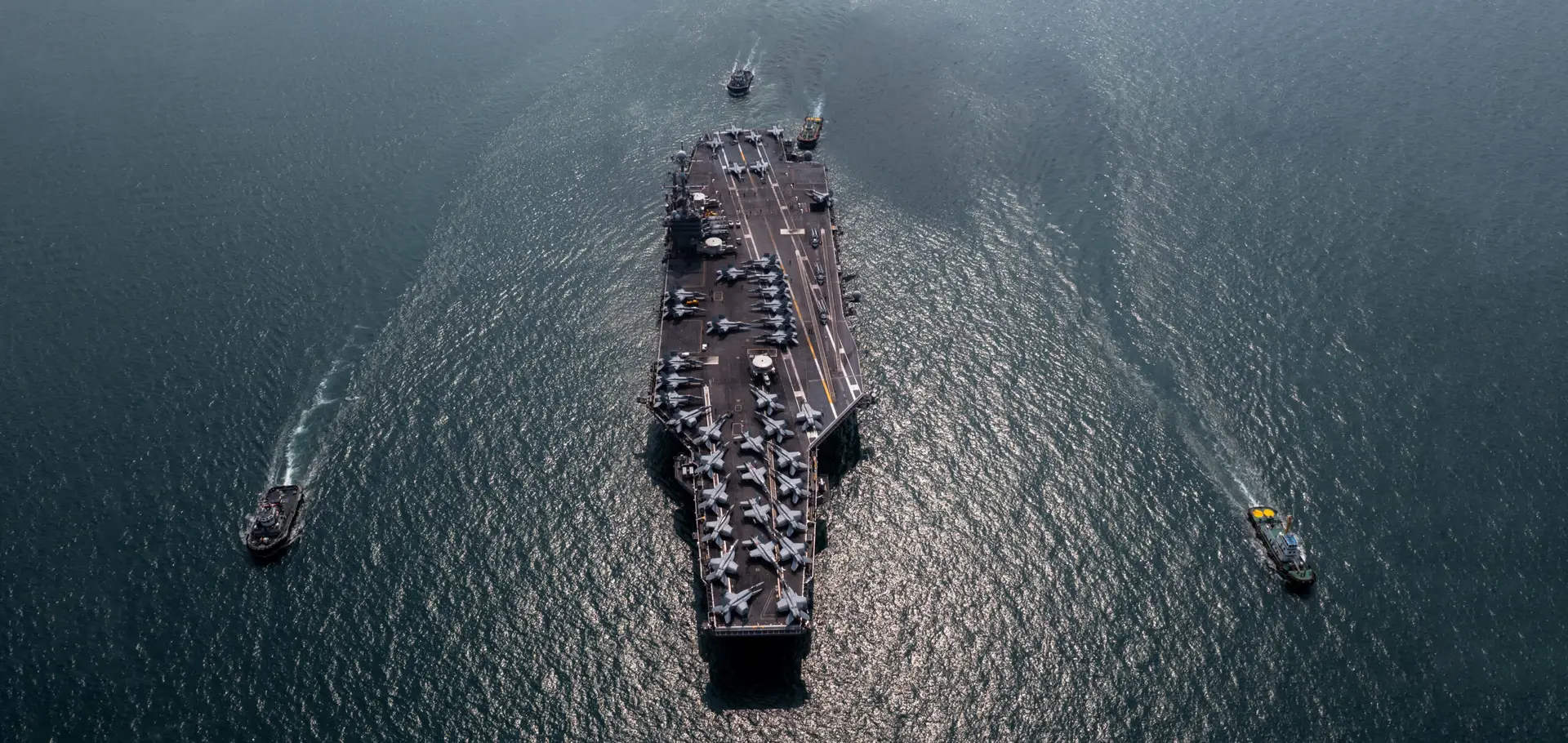
The U.S.–Iran conflict renewed significantly this week following a series of Iranian attacks on commercial tankers transiting the Strait of Hormuz, prompting multiple rounds of U.S. retaliatory airstrikes against Iranian military targets. Washington stated the initial strikes were intended to degrade Iranian missile, drone, and command-and-control capabilities responsible for attacks on international shipping, while Tehran responded with further missile and drone strikes against U.S. military positions across the region. The exchange marked a significant retraction of the ceasefire agreement reached last month and restored heightened concerns over the security of the region. President Trump announced the U.S.–Iran ceasefire was effectively “over” because Iran violated its commitments through continued attacks on commercial shipping and U.S. interests. Despite this, the administration indicated indirect diplomatic engagement with Tehran would continue to prevent full re-escalation. Meanwhile, both sides have continued military operations, highlighting the increasingly unstable security environment across the Gulf and the diminishing prospects for a return to sustained de-escalation. While communication channels reportedly remain open, major disagreements over maritime security, sanctions, regional proxy activity, and broader strategic objectives continue to impede diplomatic progress.
We advise organizations with personnel, supply chain exposure, maritime operations, or energy interests in the Middle East to closely assess the developments surrounding the U.S.–Iran negotiations and prepare for continued geopolitical volatility and the possibility of additional military escalation.
Murder Investigation into Former U.K. Minister Raises Political Security Concerns
British police this week arrested a 28-year-old man on suspicion of murdering former U.K. government minister and Reform U.K. spokesperson Ann Widdecombe after she was found dead with serious injuries at her home in Devon. The arrest follows an intensive investigation involving forensic examinations, CCTV analysis, and witness enquiries after an earlier suspect was released without charge. Widdecombe, a prominent Conservative minister under former Prime Minister John Major before later joining Reform U.K., remained an influential public figure through her political commentary and media appearances. Her death prompted tributes from across the political spectrum and renewed discussion surrounding the security of current and former elected officials in the United Kingdom. While investigators continue to establish a motive, authorities have urged the public to avoid speculation. The case follows several high-profile attacks against British politicians in recent years, reinforcing concerns over threats facing public figures.
We advise personnel involved in public affairs, political engagement, or high-profile public-facing roles to remain informed on developments in the investigation. Although there is currently no indication of a wider threat, the incident serves as a reminder of the importance of executive protection measures, residential security, and personal risk assessments for individuals with elevated public profiles.
Deadly Wildfires in Spain Underscore Escalating Climate Risks Across Europe
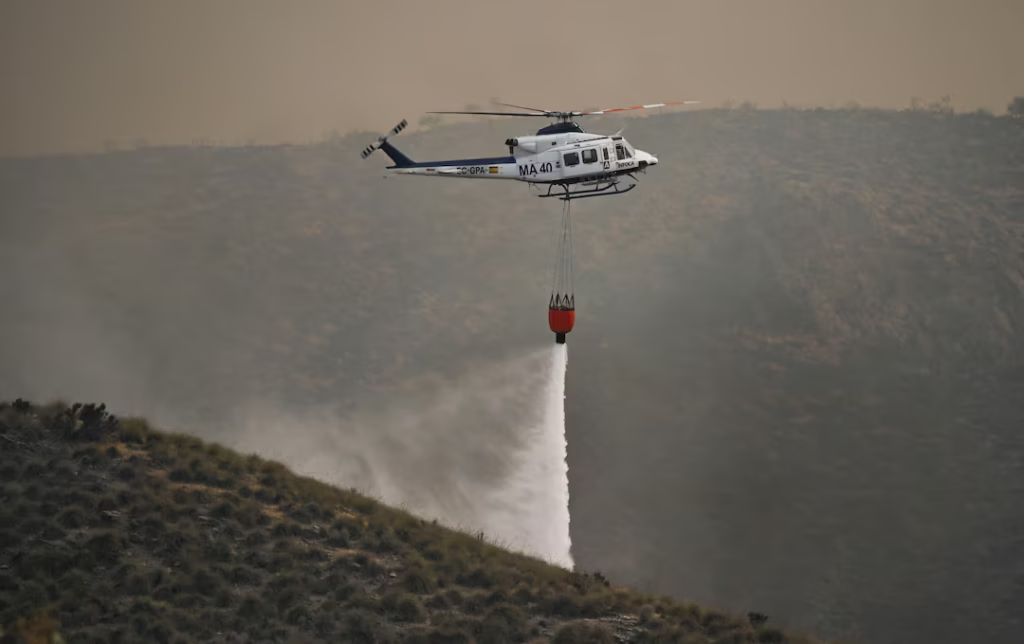
Severe wildfires in southern Spain claimed at least 12 lives this week after fast-moving fires swept through parts of Almería province, making the incident one of the country’s deadliest wildfire events. Driven by extreme heat, strong winds, and prolonged drought conditions, the fire spread rapidly across rural communities and popular tourist areas, prompting large-scale emergency response operations, road closures, and the evacuation of more than 1,400 residents. Authorities reported many of the fatalities occurred as individuals attempted to flee advancing flames, while search efforts continued for dozens of people reported missing. The cause of the fire remains under investigation, officials are examining the possibility it originated from a damaged electrical cable. The wildfire coincided with an exceptional heatwave affecting much of western and southern Europe, where June 2026 was recorded as the warmest June on record for Western Europe. Sustained above-average temperatures, low rainfall, and persistent drought have created ideal conditions for wildfires across Spain, France, Portugal, and parts of Italy, contributing to an unusually severe fire season. The prolonged heat has also strained energy infrastructure, transportation networks, public health systems, and water resources across the region.
We advise organizations with personnel, facilities, or supply chain exposure in Spain and the wider Mediterranean region to review transport disruptions, utility outages, reduced workforce, and temporary site closure risks. The convergence of prolonged heat and increasingly destructive wildfire activity highlights the growing operational risks posed by climate-related hazards across the region.