Concentric is monitoring the continued expansion of Russian drone and missile strikes against populated areas in Ukraine, following a strike on a shopping center in Kryvyi Rih that killed 16 people and wounded more than 130. We are also tracking an Iranian-linked cyberattack that disrupted a small U.K. power facility, highlighting the vulnerability of critical infrastructure and the potential for state-linked actors to move towards cyber disruption. Finally, we are assessing the commercial impact of escalating U.S.-Canada trade tensions following the imposition of 50 percent tariffs on approximately $20 billion of Canadian goods, with potential retaliatory measures increasing uncertainty for cross-border supply chains, transportation, and operating costs.
Russian Strike on Shopping Center Kills 16, Wounds More Than 130
A Russian drone strike on a shopping center in Kryvyi Rih killed at least 16 people and wounded more than 130 others, including 22 children. Ukrainian officials reported a second drone struck the area approximately 30 minutes after the initial attack, raising concerns the follow-on strike may have increased the danger to civilians and emergency responders involved in rescue operations. The attack occurred amid a broader intensification of Russian aerial attacks across Ukraine, including recent strikes on Kyiv and other major population centers. The latest violence comes as Ukraine continues to conduct drone attacks against Russian oil, logistics, and industrial infrastructure, increasing the potential for reciprocal escalation and further expansion of the conflict’s geographic footprint. The continued use of drones and missiles against populated areas is increasing the security risks facing businesses operating in Ukraine, particularly those with personnel, facilities, or logistics operations in major urban centers. Commercial facilities and civilian infrastructure remain exposed to damage from direct strikes and secondary effects. The reported use of a second strike in the vicinity of an initial attack also highlights the potential for emergency response activity to become possible targets during periods of heightened strike activity. The frequency and geographic reach of Russian aerial attacks are likely to remain elevated, particularly as Ukraine continues strikes against infrastructure inside Russia.
We advise clients operating in Ukraine to maintain heightened awareness and regularly reassess the exposure of personnel and facilities to military activity. We also urge businesses and travelers to avoid unnecessary movement during periods of active strikes, and ensure contingency arrangements are in place for disruption to transportation, power, communications, and critical supply routes.
Iranian-Linked Cyberattack Disrupts U.K. Power Facility
A cyberattack shut down a small U.K. power plant last month, in what appears to be the most significant publicly reported Iranian-linked cyber incident against U.K. energy infrastructure to date. The U.K. government confirmed a small power-generation facility was disrupted during the attack but officials stated there was no risk to the wider national energy system. The affected site has not been identified for security reasons, and the National Cyber Security Center has declined to provide further operational details. The attack was reportedly attributed to hackers affiliated with the Iranian regime, although the U.K. government has not publicly confirmed the attribution. The incident occurred amid heightened tensions between Iran and Western governments and follows broader Iranian-linked cyber activity targeting critical infrastructure, including reported attacks against U.S. water utilities. The U.K. Department for Energy Security and Net Zero subsequently contacted power companies to warn them of the risk of cyberattacks. The successful disruption of a small generation facility demonstrates state-linked actors may be capable of moving beyond reconnaissance and gaining sufficient access to physical infrastructure, particularly during a future escalation. Iranian-linked cyber activity against Western critical infrastructure is likely to remain elevated while tensions with Iran remain unresolved, with smaller operators and organizations possessing externally accessible systems particularly attractive targets.
We advise clients to review the resilience of their cybersecurity systems and ensure critical business operations do not rely on a single layer of protection. Companies operating critical infrastructure or other essential services should also maintain contingency arrangements to support operations if systems are disrupted.
U.S. Imposes 50 percent Tariffs on Canadian Goods After Trade Talks Collapse
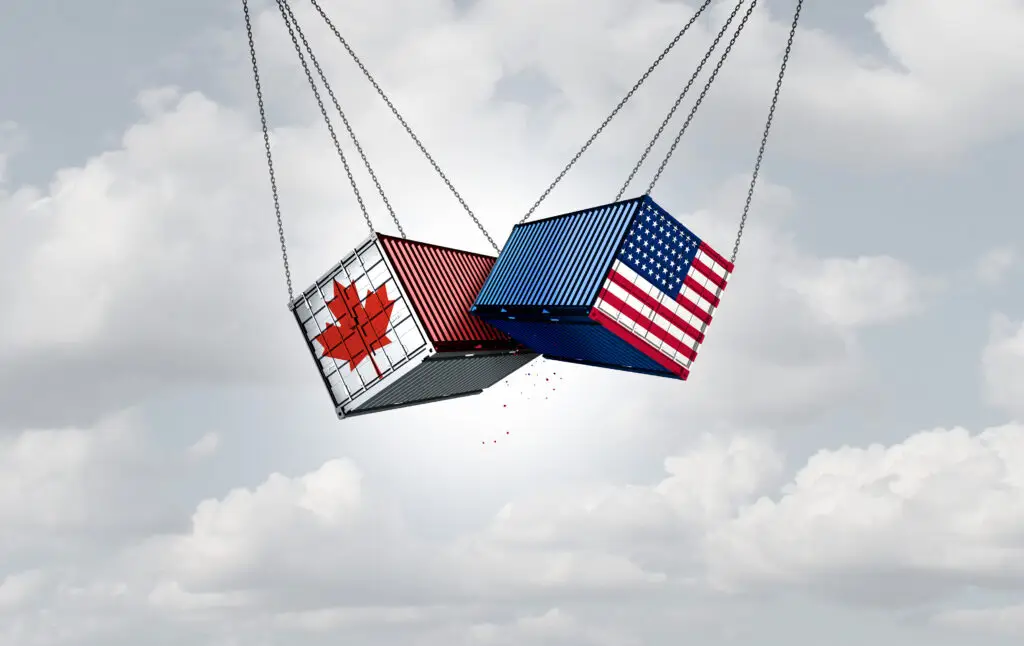
The United States has imposed 50 percent tariffs on approximately $20 billion of Canadian goods after trade negotiations between Washington and Ottawa failed to produce an agreement. The tariffs affect roughly five percent of Canada’s exports to the United States, including a range of consumer and industrial products, while existing U.S. tariffs remain in place on sectors including steel, aluminum, autos, and lumber. The breakdown followed several days of negotiations in which both sides indicated progress was being made, before Canadian officials suspended talks after rejecting what Prime Minister Mark Carney described as excessive and economically damaging U.S. demands. Canada subsequently announced plans for dollar-for-dollar retaliatory tariffs beginning September 8. The immediate economic impact of the new tariffs is likely to be concentrated in exposed sectors, but the broader significance is the potential for a prolonged deterioration in U.S.-Canadian trade relations. The measures increase uncertainty for companies dependent on cross-border manufacturing, transportation, agriculture, retail, and industrial supply chains, while retaliatory tariffs could increase costs and disrupt established sourcing arrangements on both sides of the border. The dispute is likely to remain a significant source of commercial uncertainty in the near term, with additional tariffs or changes to existing measures possible if negotiations do not resume.
We advise clients with U.S.-Canada exposure to understand their reliance on cross-border suppliers and markets to identify products and operations most vulnerable to additional tariffs. Companies should also account for the potential for higher costs, customs delays, and changing trade requirements when developing budgets, contracts, and business-continuity plans.