Concentric is monitoring renewed Iranian attacks on U.S. military sites in Bahrain, after Iran’s Islamic Revolutionary Guard Corps (IRGC) claimed two drone strikes on U.S. radar sites in three days, raising the risk to Western-linked sites across the Gulf. We are also tracking back-to-back outages in the United States, after Microsoft 365 failed worldwide and a nationwide ground stop halted flights a day later, showing how a single faulty upgrade can disrupt travel and work. Finally, we are assessing rising political violence in Nigeria, after armed men stormed an opposition town hall in Lagos, with campaign events and convoys becoming flashpoints ahead of the January 16 presidential election.
Iran Claims Drone Attacks on U.S. Radar Sites in Bahrain
The IRGC said on November 15 it launched six drones at a U.S. air defense radar at Bahrain’s Riffa Air Base, its second such claim in three days. Sirens sounded, and the Interior Ministry urged residents to proceed to the nearest safe location. The Bahrain Defense Force said its air defenses intercepted the attack. On November 13, the IRGC claimed it destroyed a U.S. early-warning radar in Bahrain in retaliation for a strike on a telecommunications tower in southern Iran. U.S. Central Command officials denied the claim, saying it shot down two drones and reporting no injuries or damage. Iran’s navy also said three oil tankers caught fire after hitting mines in the Strait of Hormuz on November 14, two of them while using what the IRGC called a prohibited route. The attacks follow U.S. warnings to Gulf allies of possible strikes on Iran after the midterm elections, which Concentric reported last week. Iranian officials have also threatened to widen the conflict. Mohsen Rezaei, secretary of Iran’s Supreme National Security Council, warned on November 11 that Iran would target any U.S. base involved in a new attack, including bases in Europe. Talks remain stalled, and the United States has kept its naval blockade of Iranian ports. Concentric assesses further Iranian attacks on U.S. military sites in Bahrain and other Gulf states are likely while talks remain stalled, and we cannot rule out strikes on U.S.-linked commercial sites. We advise organizations with personnel in Bahrain to review shelter-in-place plans and ensure staff receive Interior Ministry alerts. Staff should avoid areas near Riffa Air Base and the U.S. naval base in Manama, home of the Fifth Fleet. Companies moving cargo through the Gulf should confirm war-risk insurance coverage and plan for further delays near the Strait of Hormuz.
Back-to-Back Outages Halt U.S. Flights and Disrupt Microsoft Services
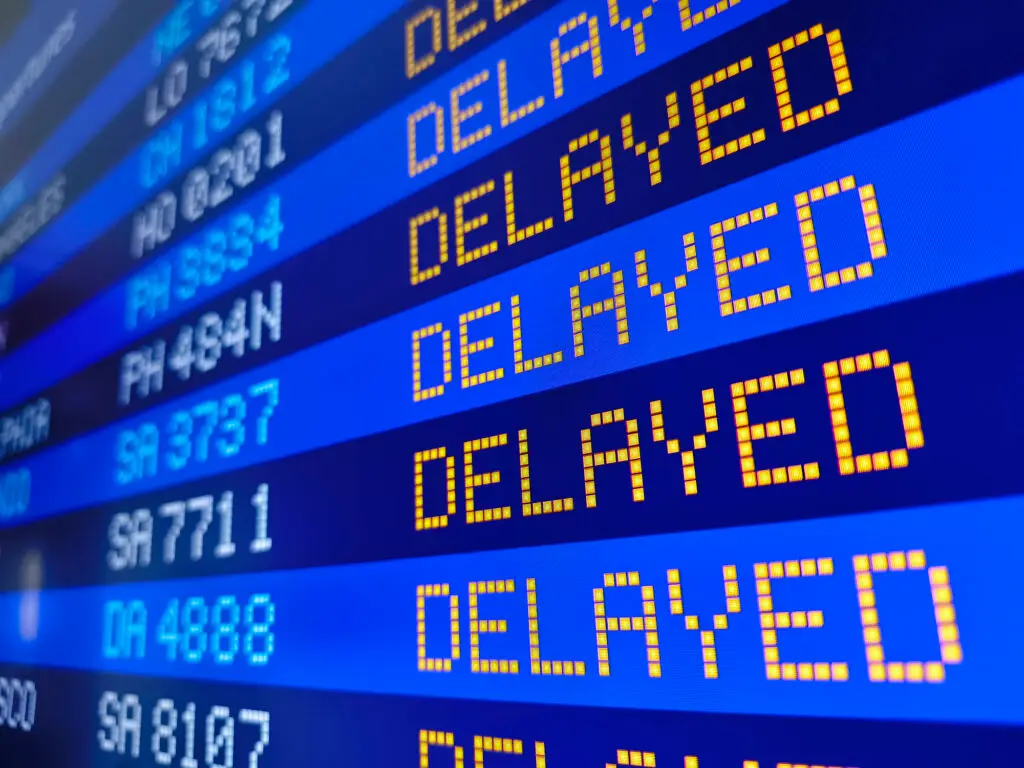
The Federal Aviation Administration (FAA) issued a nationwide ground stop at about 4 p.m. EST on November 13 after a telecommunications outage hit the centers that manage high-altitude air traffic, and lifted it at 8:15 p.m. FAA Administrator Bryan Bedford said up to 17 of 22 centers were affected, although none lost service entirely, and officials found no evidence of a cyberattack. Transportation Secretary Sean Duffy said data overloaded aging routers, and he traced the failure to new routers installed by contractor L3Harris during a telecommunications upgrade. Operators canceled about 12,500 flights after the ground stop, according to the FAA. The ground stop came a day after a Microsoft 365 outage disrupted Outlook, Teams, and Copilot in 74 countries from November 12 into November 13. Microsoft said an issue from an earlier network capacity upgrade caused the outage and ruled out a cyberattack. Both incidents show how one faulty upgrade at a single provider can halt travel and communications for thousands of organizations at once. We cannot rule out further air traffic disruption during the busy Thanksgiving travel period, given the age of the equipment. We advise organizations with personnel traveling in the United States to build extra time into itineraries for the coming weeks and avoid tight connections on critical trips. Companies should confirm crisis teams can communicate without Microsoft 365, using a separate messaging tool and an offline contact list, and test those backups.
Armed Men Attack Opposition Events as Nigeria’s Election Campaign Turns Violent
Armed men stormed a Nigeria Democratic Congress (NDC) town hall in Ikeja, Lagos, on November 12, where supporters gathered for the party’s presidential candidate, Peter Obi. The attackers carried machetes, clubs, and stones, and damaged vehicles and injured attendees before party supporters pushed them back and detained one of them. Police and the House of Representatives opened investigations into attacks on political gatherings. The attack followed a November 7 NDC rally in Asaba, Delta State, where police said one person was killed and five were injured, and a November 4 attack on Obi’s convoy in Calabar. President Bola Tinubu has also faced hostile crowds. On November 13, an opposition figure shared a video that appeared to show young people chanting against Tinubu and throwing objects toward a convoy believed to be his as he left a mosque in Abuja. The presidency disputed that the convoy was attacked. Obi won Lagos, a stronghold of Tinubu’s All Progressives Congress (APC), in the 2023 presidential election, making the city a key battleground. Nigerians vote in presidential and National Assembly elections on January 16, 2027. Concentric assesses political violence will likely increase as campaigning intensifies, with rallies, town halls, and candidate convoys the most likely flashpoints, particularly in Lagos, Abuja, and southern states. We advise organizations with offices or personnel in Nigeria to track announced campaign events near their sites, avoid rally venues and convoy routes, and allow extra travel time on event days. Companies should review security for staff traveling between cities and prepare for road closures and short-notice unrest through the January 16 vote.