
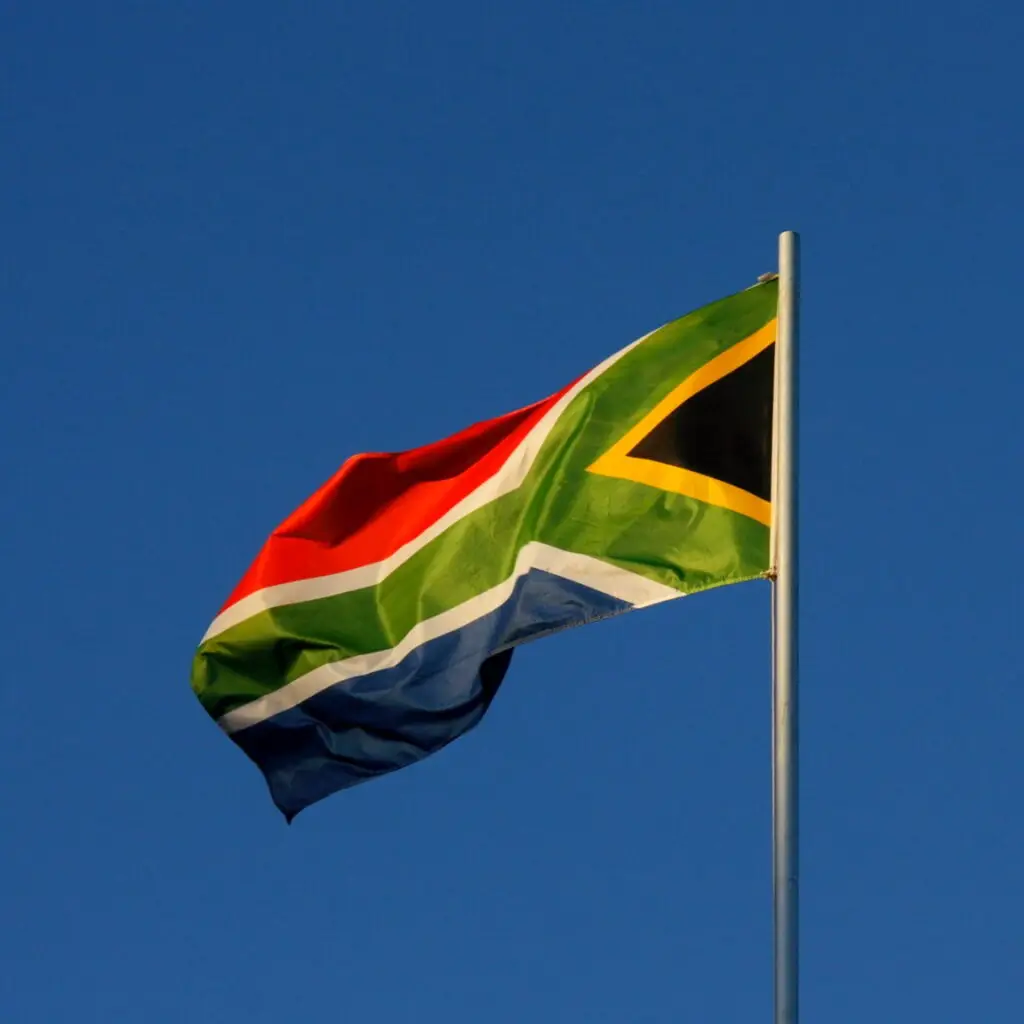
South Africa’s anti-migration civil unrest presents a domestic physical security threat while provoking a broader regional and international reaction to South African governance,shaping bilateral relationships across the continent. The June 30, nationwide deadline event was the highest-density protest activity SAPS (South African Police Service) has managed in nearly two decades, but its more consequential effect has been diplomatic: a coordinated multi-government response from South Africa’s neighbors which treated the unrest as a governance failure by Pretoria
ANALYSIS
South Africa’s 2026 unrest sits within a recognizable cycle of periodic mass violence, but differs meaningfully from its most significant predecessors in trigger, target, and state response.The current wave originated as a formally organized campaign rather than a single triggering incident.
- The Concerned Citizens and Voters of South Africa called for a national shutdown on May 4, 2026 under an explicit anti-foreigner slogan, setting June 30 as an unofficial deadline for undocumented migrants to leave the country.
- Protests continued through May in Johannesburg, Pretoria, Durban, Cape Town, and the Eastern Cape, with foreign owned shops and vehicles set alight in some areas, before spreading to the Western Cape in late May and early June.
- The campaign was driven nationally by March and March, a civic organization, formed in 2024, focused on illegal immigration and was known as Operation Dudula.
- Armed Conflict Location and Event Data (ACLED) recorded 61 anti-migrant demonstration events nationwide between April and mid-June 2026, concentrated in KwaZulu-Natal and Gauteng, South Africa’s most populous provinces and long-standing centers of anti-migrant activism.
The 2026 anti-migration unrest differs from previous South African protest cycles because of the speed and coordination of the international response, which framed the unrest as a referendum on Pretoria’s governance rather than an isolated security incident. Ghana, Malawi, Mozambique, Nigeria, and Zimbabwe coordinated the repatriation of thousands of their nationals, a joint multi-state action amounting to an implicit vote of no confidence in South Africa’s ability to protect African foreign nationals. This represented a materially different order of response than a diplomatic protest.
Nigeria’s response illustrated the potential trajectory of this deterioration. Officials raised the possibility of sanctions targeting South African commercial interests should violence continue, introducing the prospect of economic retaliation between Africa’s two largest economies. Although Nigeria has not implemented formal measures, the rhetoric reflected an escalation beyond previous diplomatic responses to xenophobic incidents.
Similarly, demonstrations in Accra targeted South African corporate interests, including mining operations, with protest organizers advocating the use of economic leverage to pressure Pretoria into improving protections for foreign nationals. Protests calling for economic impacts represented an important evolution in regional sentiment, as public anger increasingly extended beyond the South African government to South African commercial assets operating abroad. The African Continental Free Trade Area (AfCFTA) depends on political confidence among participating governments. Continued perceptions that South Africa cannot adequately protect foreign nationals risk undermining confidence, particularly if governments begin linking commercial cooperation to Pretoria’s handling of internal security issues.
OUTLOOK
Concentric assesses two risk tracks running on different timelines and requiring different monitoring frameworks.
Physical security is likely to remain contained but not resolved. The most probable trajectory through 2026 is recurring, contained unrest rather than sustained escalation. Gauteng and KwaZulu-Natal remain the highest-probability flashpoint provinces, with the Western Cape and Eastern Cape as secondary but active risk zones given June 30 arrest volumes.
Governance reaction is the more immediate risk to commercial and bilateral interests. This track is escalating faster than the physical security situation itself and is less within Pretoria’s direct control. The coordinated five-government response is a greater diplomatic escalation than individual protest, and signalled a governance problem which South Africa’s own security improvements cannot offset. Continued rhetoric from regional governments could translate into commercial consequences for South African firms with continental operations, and expose foreign firms operating inside South Africa to reciprocal risks.
For corporate stakeholders, the two tracks require distinct planning: physical security planning should be prioritized in Johannesburg, Pretoria, Durban, and Pietermaritzburg, with increased monitoring in the Western Cape and Eastern Cape. Bilateral and reputational risk planning should track developments in Abuja, Accra, Lilongwe, Maputo, and Harare, where material escalation is likely to originate.
The broader global anti-migration environment is likely to sustain, rather than diminish. European and North American populist movements and nationalist parties are normalizing the topics of border control, irregular migration and national identity. Although South Africa’s domestic drivers remain distinct, principally high unemployment, inequality, and competition over public services, global narratives reinforce local anti-migrant activism by increasing the perceived legitimacy of exclusionary messaging. As a result, anti-foreigner protests are unlikely to remain solely event-driven and may instead evolve into a recurring feature of South Africa’s political and security landscape.
HOW CONCENTRIC CAN HELP
Concentric offers a suite of services designed to mitigate risks and enable secure business operations in unpredictable environments:
- Travel Risk Assessments and Alerting: Concentric offers customized reports offering real-time, itinerary-focused evaluations of changing geopolitical, security, and environmental conditions. We also offer tailored, real-time intelligence based on travelers’ live locations and planned movements.
- OSINT and Deep and Dark Web Monitoring: 24/7 surveillance of open source and DDW, tracking mobilization signals from groups such as March and March and Operation Dudula on the ground. Allowing for early detection of unrest.
- Security Operations: Concentric provides on-the-ground advisory support, executive protection, and operational security planning across the globe.
- Evacuation and Crisis Management Planning: Concentric’s intelligence and security teams deliver crisis-management support, including evacuation route planning, maritime risk assessments, safe-haven identification, and localized emergency response.
Through Concentric’s advanced geopolitical intelligence strategies, businesses can effectively navigate travel risks, safeguard their personnel, and ensure operational continuity across global environments. For more information or to arrange a consultation to enhance your organization’s travel security capabilities, please contact our Global Intelligence team today.