Concentric is monitoring Germany’s decision to raise its national terrorist threat level following the fatal Islamist-inspired attack at Berlin’s Christopher Street Day (CSD) Pride celebrations and the heightened risk of copycat attacks against crowded public events across Europe. We are also assessing the operational impact of unprecedented wildfires in France and Spain, where mass evacuations and infrastructure disruption continue to affect transport networks, tourism, and business operations. Finally, we are tracking the expansion of the U.S.-Iran conflict following Houthi missile and drone attacks against Saudi oil infrastructure, which have increased the risk of further attacks on critical energy assets, maritime shipping, and regional supply chains.
Germany Terrorist Threat Level Raised as Berlin Pride Attack Suspect Shot and Killed
Germany has raised its national terrorist threat level following the Islamist-inspired attack targeting Berlin’s CSD Pride celebrations, in which one person was killed and at least 29 others were injured. The primary suspect, a 21-year-old German national with a history of Islamist extremism and previous terrorism-related convictions, was shot and killed by police after reportedly charging officers with a knife during an operation in Berlin’s Spandau district, bringing an end to a nationwide manhunt. German Interior Minister Alexander Dobrindt stated all available evidence indicates an Islamist terrorist motive and warned of an elevated risk of copycat attacks, prompting federal authorities to instruct all 16 states to review security measures for upcoming public events. The incident reinforces Europe’s threat from lone-actor Islamist extremists employing low complexity tactics such as vehicle ramming and knife attacks against crowded, symbolic targets. Pride events, festivals, transport hubs, and other mass gatherings are likely to remain attractive targets due to their high public visibility and potential for significant impact.
We advise organizations operating in Germany to review event security arrangements, reinforce access controls, and maintain close liaison with local authorities regarding evolving threat information. Businesses should ensure crisis management plans are current, particularly for large public gatherings or operating in city centers. Travelers should expect an increased police and security presence, possible transport disruption, and enhanced screening measures at major events and transport hubs.
Southwestern Europe Sees Largest Mass Evacuation Since World War Two as Wildfires Worsen
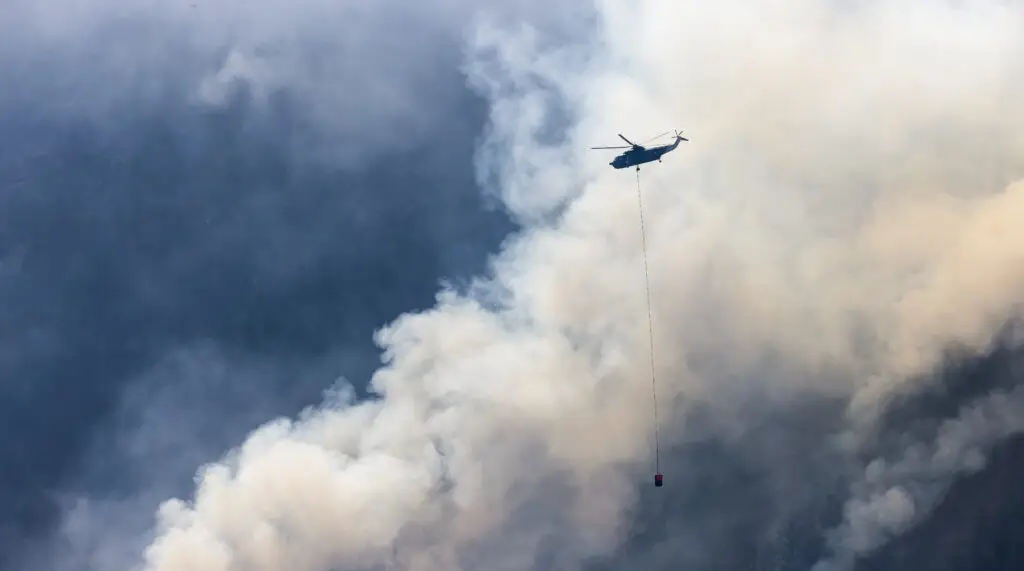
Unprecedented wildfires burn across France and Spain, forcing the evacuation of more than 300,000 people and overwhelming emergency services. In France, the largest peacetime evacuation in the country’s history has seen over 220,000 people displaced as fires in the Gironde region advance to within 15 kilometers of Bordeaux, destroying homes, disrupting transport networks, and threatening critical tourism and wine producing areas. In Spain, authorities declared a national emergency as fires west of Madrid, in Ávila, and near Valencia burned upwards of 50 thousand hectares, resulting in at least one fatality, widespread evacuations, and the deployment of military emergency units alongside thousands of firefighters. Extreme heat, prolonged drought, strong winds, and fire generated weather systems continue to drive unpredictable fire behavior, with further outbreaks and rapid spread expected as temperatures are forecast to rise again later this week. European Union civil protection mechanisms have been activated to provide additional aircraft, helicopters, and firefighting personnel as national resources come under increasing strain.
Businesses should avoid non-essential operations in affected areas while reviewing alternative transport routes, and preparing for site closures or evacuations. Travelers should monitor official alerts, complying immediately with evacuation orders, avoiding affected areas, and expect significant disruption to all travel.
Iran Backed Houthis Claim Attacks on Saudi Oil Facilities Opening New Risk of Energy Disruption
Houthi forces launched coordinated missile and drone attacks against Saudi oil facilities and Red Sea energy infrastructure, significantly widening the scope of the ongoing U.S.-Iran conflict. The attacks, which targeted facilities linked to Saudi Aramco and key export infrastructure, prompted retaliatory Saudi-led airstrikes against Houthi positions in Yemen and contributed to a sharp decline in commercial shipping through the Bab el-Mandeb Strait. The expansion of hostilities beyond the Strait of Hormuz into the Red Sea increases the risk of further attacks against critical energy infrastructure, maritime traffic, and U.S. and allied interests across the Gulf region, while raising the prospect of continued disruption to global energy markets and international supply chains.
Organizations with interests in Saudi Arabia, Yemen, or the wider region should review site security measures and identify alternative fuel and freight arrangements should energy infrastructure or maritime routes be disrupted. Travelers should avoid locations near energy infrastructure, military facilities, and ports, remain aware of local security advisories, and be prepared for short notice travel disruption resulting from military activity.