Russia Fires Powerful Hypersonic Ballistic Missile in Mass Attack on Kyiv, Ukraine
Russia launched a major overnight aerial assault against Ukraine on May 22 and 23 that included the use of a powerful hypersonic ballistic missile system alongside drones and cruise missiles targeting Kyiv and other regions across the country. The United States classifies the Oreshnik ballistic missile, which can carry multiple conventional or nuclear warheads, as an intermediate-range missile. It is only the third time Russia has used the missile. The strikes killed at least four people and injured dozens more across Kyiv, Dnipro, Odessa, and Kharkiv regions, while damaging residential buildings, industrial sites, and energy infrastructure. Moscow framed the operation as retaliation for a Ukrainian strike in the Russian-occupied city of Starobilsk in Luhansk region, where Russian authorities claimed at least 18 people were killed after drones struck a student dormitory and educational facility. The use of the Oreshnik system has heightened concerns regarding further escalation in Russia’s long-range strike campaign and the increasing deployment of advanced missile systems designed to complicate interception efforts.
We advise organizations with personnel, operations, or supply chain exposure in Ukraine and neighboring Eastern European states to prepare for an elevated period of military escalation and infrastructure disruption. Companies should review business continuity plans, employee shelter and evacuation procedures, backup power and communications, and crisis management coordination.
Fragile U.S.-Iran Peace Talks Tested by Renewed Strikes and Further Regional Threats:
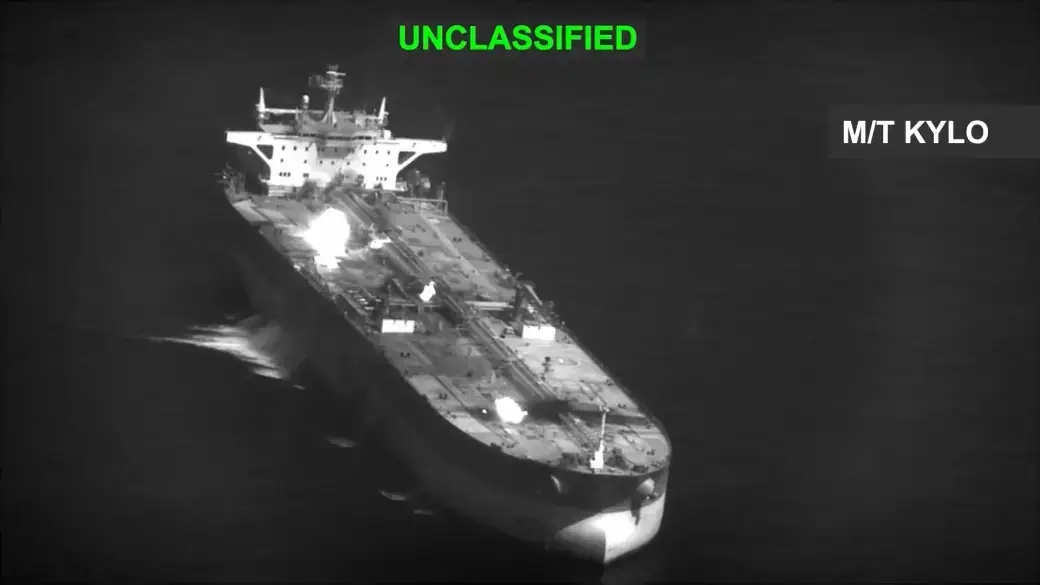
Efforts to finalize a peace agreement between the United States and Iran face renewed strain after U.S. forces carried out what CENTCOM described as “self-defense strikes” against Iranian military assets in southern Iran during ongoing negotiations aimed at extending a fragile ceasefire. According to U.S. officials, American aircraft and naval forces on May 25 and 26 targeted Islamic Revolutionary Guard Corps (IRGC) boats allegedly laying naval mines in the Strait of Hormuz, as well as missile systems assessed to pose an imminent threat to U.S. personnel and military assets operating in the Gulf. Iranian officials condemned the strikes as a violation of ongoing peace negotiations and warned that the United States would no longer have a “safe haven” in the region if military operations continued. Despite the escalation, diplomatic talks mediated by Qatar and supported by Gulf states reportedly remain active, with discussions focused on reopening the Strait of Hormuz, extending a temporary ceasefire, and establishing a limit on Iran’s uranium enrichment program in exchange for sanctions relief.
We advise organizations with personnel, supply chain exposure, maritime operations, or energy interests in the Middle East to prepare for continued geopolitical volatility and the possibility of additional military escalation.
Global Health Emergency Declared as Rare Strain of Ebola Spreads Across DRC and Uganda:
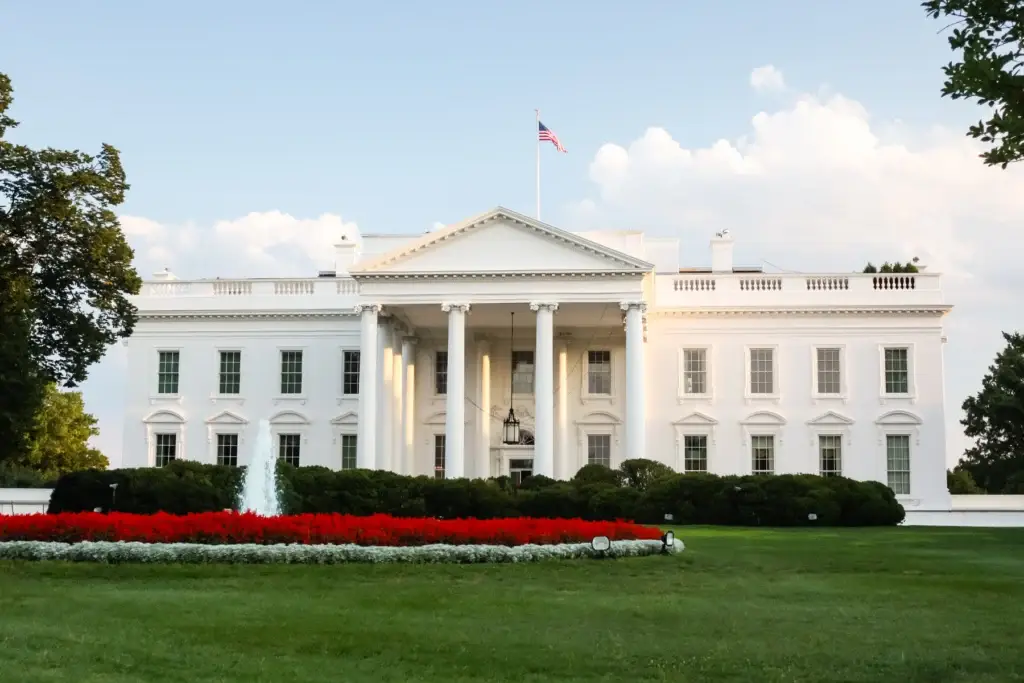
A gunman identified as 21-year-old Nasire Best was shot and killed by U.S. Secret Service personnel after opening fire at a security checkpoint near the White House on May 23, prompting a temporary lockdown of the executive complex and renewed scrutiny of lone-actor political violence threats in the United States. According to U.S. authorities and multiple media outlets, Best approached the checkpoint near 17th Street and Pennsylvania Avenue NW before drawing a handgun from a bag and firing toward officers, who returned fire and fatally wounded him. A bystander was also struck during the exchange and remains hospitalized in stable condition, while no Secret Service personnel were injured. President Trump was inside the White House at the time of the incident. Investigators later confirmed Best was previously known to law enforcement and the Secret Service following earlier attempts to access restricted White House areas, including incidents in 2025 that reportedly involved erratic behavior, delusional statements, and court-issued stay-away orders. U.S. officials stated the FBI and Secret Service are jointly investigating the motive, including whether the attack was politically motivated, ideologically driven, or primarily linked to mental health deterioration. This is the second such incident in four weeks following the White House Correspondents’ Dinner shooting.
We recommend travelers and executives attending events especially in Washington D.C. to remain aware of their surroundings, as politically motivated violence is expected to continue. Organizations should also consider briefing staff attending large events on personal safety, entry procedures, and emergency response protocols.