
Iran–Israel Exchange of Strikes Follows Israeli Attack on Beirut, Raising Risk of Continued Escalation and Disruption:
The Iran–Israel conflict expanded across Lebanon, Israel, and Iranian territory again this week in a rapid cycle of strikes and counterstrikes before partially de-escalating following Iranian announcements to halt direct missile operations against Israel. The escalation was triggered on June 7 when Israel conducted airstrikes on Hezbollah positions in Beirut’s southern suburbs in response to cross-border attacks from Lebanon. Israeli officials confirmed most incoming missiles were intercepted or fell in open areas, though the attack prompted nationwide air raid alerts and temporary disruptions to civilian activity. The escalation follows increasing regional instability beginning on June 1, when Israel expanded military operations in Lebanon, including strikes on Hezbollah infrastructure around Beirut and southern Lebanon. Iranian officials responded by suspending indirect negotiations with the United States, citing Israeli violations of ceasefire, showing the conflict dynamics remain unresolved. The involvement of proxy forces across Lebanon and Yemen, combined with the risk of miscalculation in direct Israel–Iran exchanges, suggests a high probability of evolving escalation in the near term.
We advise organizations with exposure to the Middle East, global energy markets, or maritime logistics to maintain elevated alert status. Businesses should prepare for evolving scenarios involving missile exchanges, proxy activity across multiple theaters, and potential disruption to shipping lanes.
Deadly Shooting Attack in Central Israel Underscores Persistent Terrorism Risk:
Israeli security forces launched a manhunt on June 7 after a gunman carried out a shooting attack near the central Israeli community of Kochav Yair, killing one person and injuring five others. The attacker reportedly opened fire at multiple locations before being killed by security personnel, while authorities subsequently detained a second suspect assessed to be connected to the incident. Israeli officials are treating the attack as an act of terrorism and have increased security measures throughout the area. Hamas praised the attack but did not formally claim responsibility. The shooting occurred against the backdrop of heightened regional tensions involving Israel, Hezbollah, Hamas, and Iran, as ongoing military operations in Gaza and intermittent exchanges along Israel’s northern border continue to fuel security concerns. While the attack appears to have been conducted by an individual or small group rather than a coordinated militant operation, Israeli authorities have repeatedly warned the current security environment increases the likelihood of lone-actor attacks, copycat violence, and localized terrorist incidents. The incident is likely to reinforce Israeli security operations in and around the West Bank and could contribute to further restrictions on movement, increased checkpoints, and expanded counterterrorism activities.
We advise businesses with personnel or operations in Israel to remain alert to evolving security conditions, review travel and movement protocols, and monitor local security advisories.
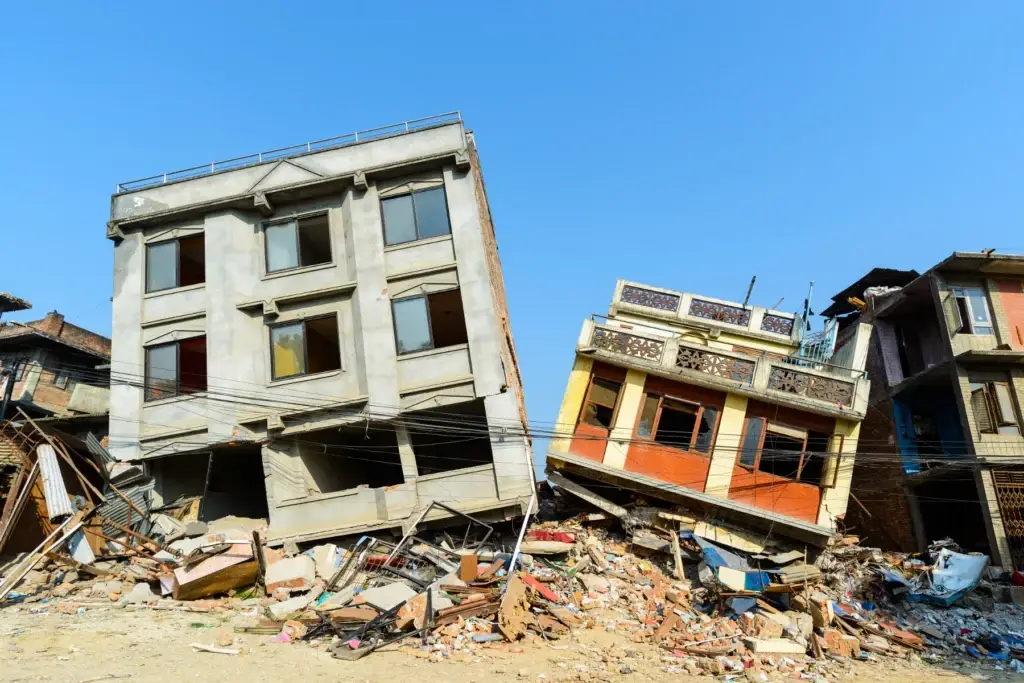
Magnitude 6.3 Earthquake Strikes Southern Philippines, Highlighting Regional Infrastructure and Business Continuity Risks:
A magnitude 6.3 earthquake struck off the coast of Mindanao in the southern Philippines on June 7, prompting authorities to assess potential damage across several provinces and issue warnings for aftershocks. The earthquake occurred at a relatively shallow depth and was felt across a broad area of southern Mindanao, including several population centers. Philippine officials reported no immediate tsunami threat and, as of initial assessments, no widespread casualties or catastrophic damage. However, local authorities continued inspections of transportation infrastructure, public facilities, and critical services while emergency responders monitored affected communities for potential secondary impacts. Although the latest earthquake does not appear likely to result in significant long-term economic impacts, it serves as a reminder of natural hazard risks facing organizations operating in the region. While major operational disruptions are not currently anticipated, businesses with personnel, facilities, or supply chain exposure in the southern Philippines should remain alert to evolving conditions and the possibility of aftershocks.
We advise organizations to review business continuity and emergency response plans, confirm the safety and accountability of personnel in affected areas, and monitor local government advisories regarding infrastructure inspections, transportation disruptions, and potential service interruptions as damage assessments continue.