U.S. to Impose a Naval Blockade of Iran’s Ports After Failed Talks:
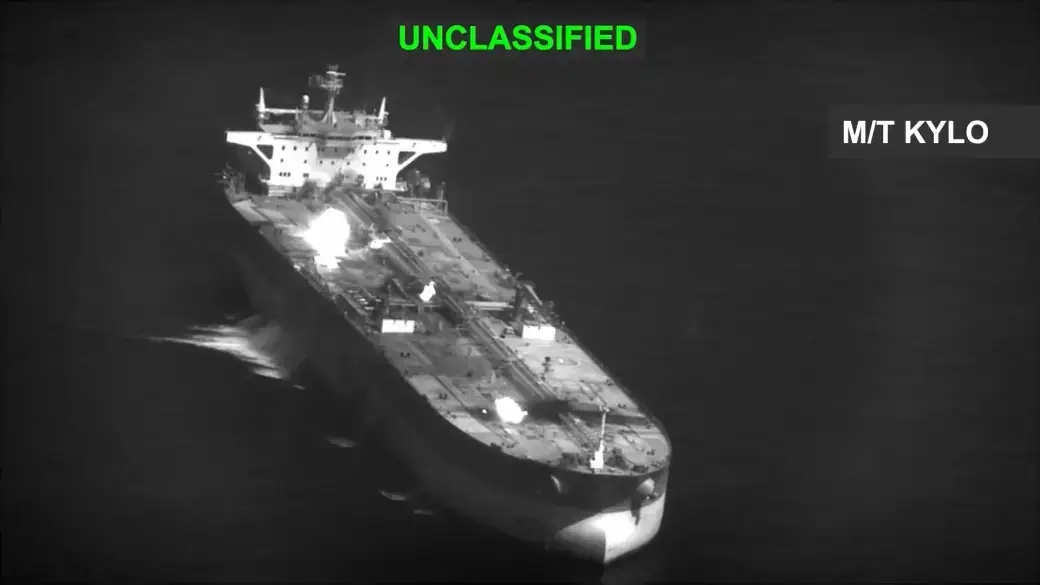
High-level U.S.–Iran peace negotiations held in Islamabad collapsed without agreement, marking the most significant breakdown in diplomatic engagement since the start of the current conflict. The talks, mediated by Pakistan, ran for approximately 21 hours but participants were unable to reach an agreement because of core disputes over Iran’s nuclear program, regional security activities, and the status of the Strait of Hormuz. In the immediate aftermath of the failed talks, the U.S. declared a naval blockade targeting Iranian ports and extending enforcement activity to maritime routes linked to the Strait of Hormuz. The move effectively aims to restrict Iranian shipping and constrain oil exports at a critical global chokepoint, significantly increasing the risk of direct naval confrontation in the Gulf. Iranian officials have warned any military enforcement in proximity to the Strait will be treated as a hostile act, further raising the probability of rapid escalation between naval and proxy forces operating in the region. The announcement has already triggered significant market disruption, with global oil prices surging back above $100 per barrel amid fears of sustained supply constraints. Regional markets have reacted negatively, while shipping and insurance costs have risen sharply as commercial operators reassess exposure to the Gulf and surrounding waterways.
We advise executives to carefully monitor the disruption across the Gulf, particularly to maritime shipping routes and aviation corridors linked to the Strait of Hormuz. Companies should review contingency plans for supply chain delays, reroute shipments where possible, and closely monitor insurance and freight cost changes linked to regional escalation.
CK Hutchinson Escalates Legal Dispute Over Panama Canal Ports After Maersk Takeover:
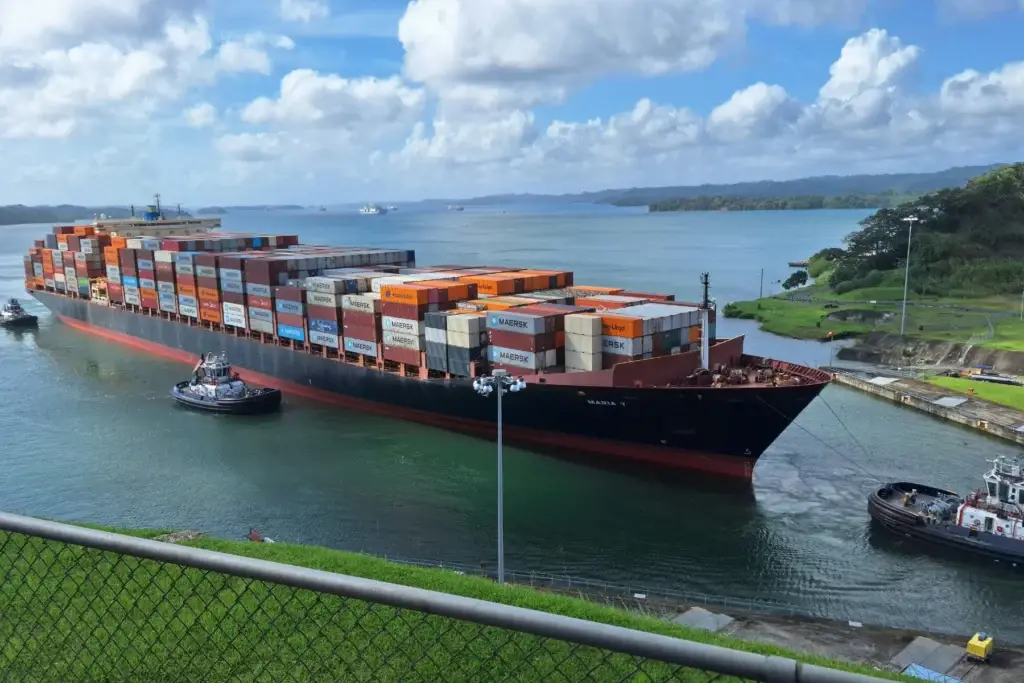
CK Hutchinson has escalated its dispute over control over key Panama Canal ports by initiating arbitration proceedings against shipping group Maersk, following Panama’s decision to remove CK’s subsidiary from operating two strategic terminals. The ports, Balboa on the Pacific side and Cristobal on the Atlantic, were transferred to Danish logistics giant Maersk after Panama’s supreme court ruled the original concession unconstitutional. The arbitration will be held in London and runs in parallel with a separate $2 billion damages claim already filed by CK Hutchison against Panamanian authorities. The dispute follows months of tension surrounding control of critical maritime infrastructure, with Beijing previously warning Panama could face political and economic consequences after the ruling. The case highlights increasing competition over global logistics chokepoints, where commercial port operations are becoming closely tied to state influence, legal pressure, and strategic rivalry between major powers. This underscores the growing politicization of global supply chains, especially around critical maritime infrastructure such as the Panama Canal. Legal disputes over port operations reflect broader geopolitical competition, with potential implications for shipping stability, trade routing, and investment confidence in logistics hubs.
We recommend businesses relying on the Panama Canal routes to prepare for potential delays or shifts in routing. Diversifying supply chains and ensuring flexibility in shipping contracts will be important to mitigate exposure to further disruption or cost increases.
Attack Outside Israeli Consulate in Istanbul Highlights Security Risks:
Three assailants opened fire on police outside a building housing the Israeli Consulate in Istanbul’s Levent District, triggering a brief but intense exchange of gunfire. One attacker was killed, while two others, identified as brothers, were wounded and detained. Two police officers sustained minor injuries during the incident. Authorities said the attackers had travelled from Izmit in a rented vehicle and were armed with long-barrel weapons, with one reportedly linked to a group described as “exploiting religion.” The attack reinforces the persistent risk amid volatile geopolitical environments, particularly as escalation continues in the Middle East.
We advise business travelers across Europe and other Western cities where Israeli, U.S., and allied diplomatic or cultural sites are present to remain vigilant as these areas may become potential flashpoints. Travelers should remain alert in and around government buildings, consulates, and high-profile international institutions as tensions linked to the situation in the Middle East are expected to increase.