Middle East Conflict Escalates Amid Trump Hormuz Deadline and Israeli Strikes:
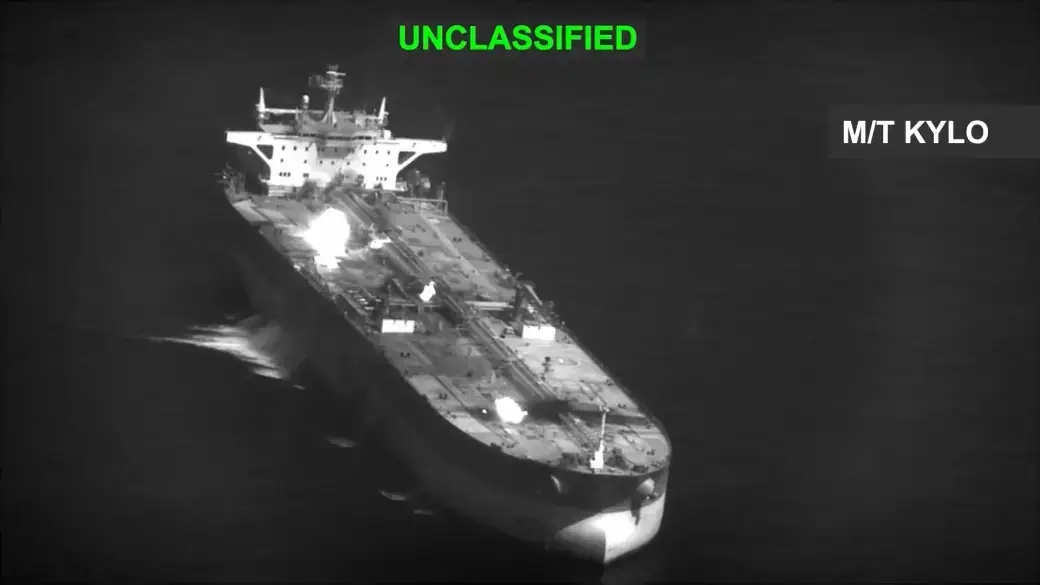
U.S. involvement in the Iran conflict is intensifying as President Trump has issued a deadline for Iran to reopen the Strait of Hormuz or face potential strikes targeting critical infrastructure, signaling a more assertive posture and increased likelihood of direct military engagement. This coincides with a high-risk U.S. recovery operation for a downed fighter jet crew inside Iran, underscoring expanding operationalexposure and the elevated risk of incident-driven escalation involving U.S. forces. Additionally, Israel’s strike on Iran’s South Pars petrochemical facility and Iran’s continued blockade of the Strait of Hormuz have heightened regional tensions, disrupted a critical global oil chokepoint, and increased energy market volatility. The IAEA has warned of radiological risks near nuclear facilities, while retaliatory attacks have resulted in civilian casualties and expanded hostilities across the Gulf.
We assess that the risk of direct U.S. military involvement is elevated, with potential second-order impacts including heightened threats to U.S. interests abroad, increased domestic security posture, and economic effects on energy and transportation. Organizations should reassess regional exposure, monitor maritime and airspace restrictions, and ensure contingency plans address potential supply chain and personnel disruptions.
IRGC Threat Designation of U.S. Technology Firms Expands Conflict into Corporate Domain:
Iran’s Islamic Revolutionary Guard Corps (IRGC) designated a group of U.S. and UAE-based technology, defense, and financial companies as “legitimate military targets,” marking a significant expansion of the conflict into the commercial sector. The designation, communicated through official and semi-official Iranian channels, included explicit warnings to employees and civilians near company facilities in the Middle East. The targeted organizations span major cloud providers, semiconductor firms, defense contractors, and financial institutions with operational footprints across the Gulf. The IRGC justified this action by asserting commercial technology infrastructure, particularly cloud computing, artificial intelligence, and data processing capabilities, directly supports military operations. This reflects a broader strategic shift in which private sector technology is reframed as part of the battlefield. This threat is supported by demonstrated precedent and multi-domain capability. Iranian forces previously conducted strikes against cloud infrastructure in the Gulf, and aligned actors retain the ability to execute cyber operations, proxy-driven sabotage, and global covert activity. The combination of declared intent and proven capability increases the likelihood of both direct and indirect actions against designated companies and their broader ecosystems.
We assess the threat extends across cyber, physical, and global operational domains, including potential cyber attacks, infrastructure targeting in the Middle East, and indirect or proxy activity affecting corporate personnel and assets worldwide. Organizations should reassess exposure across global operations, with particular focus on cyber resilience, physical security posture, and executive risk. Enhanced monitoring, coordination with security partners, and review of contingency and business continuity plans are recommended.
Oil Surge and Market Instability Signal Broader Economic Risk:
Global markets are growing more unstable as geopolitical risks intensify. Oil prices have surged above $110 per barrel amid concerns over supply disruption linked to the Iran conflict and broader regional instability. Analysts warn prices could rise to $120 in the near term and potentially reach $150 if the conflict escalates or key transit routes are disrupted. This is beginning to pressure equities, with U.S. markets reacting to inflation concerns, rising energy costs, and uncertainty around Federal Reserve policy. Analysts point to the Iran conflict as the primary driver of market risk, warning it could undermine easing inflation, delay Fed rate cuts, and weaken confidence in corporate earnings. Higher energy prices are feeding into supply chains and consumer costs, increasing the risk of sustained inflation and a potential economic slowdown. Rising fuel costs are also expected to push up food prices and broader consumer expenses in the near term.
We assess that organizations should prepare for continued cost pressures while assessing exposure to supply chain disruption, energy price instability, and security risks to critical infrastructure that could directly affect operations and business continuity.