Iran War Enters Second Month: Iran, Houthis Target Israel; U.S. Ground Operations Loom:
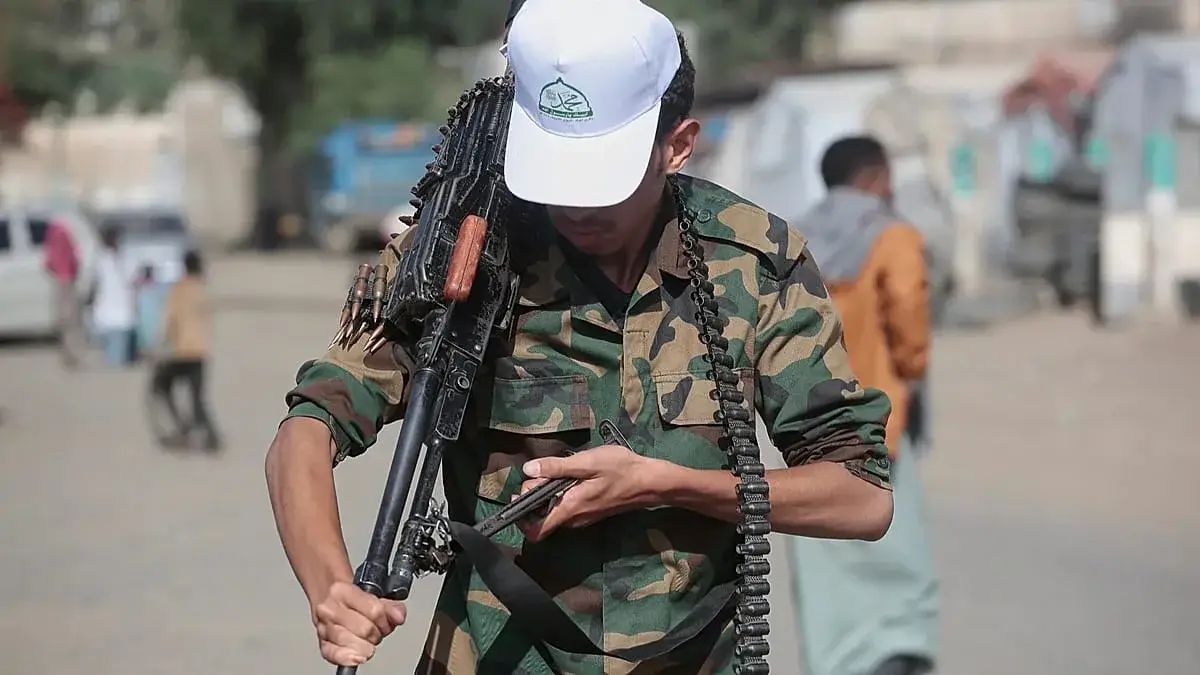
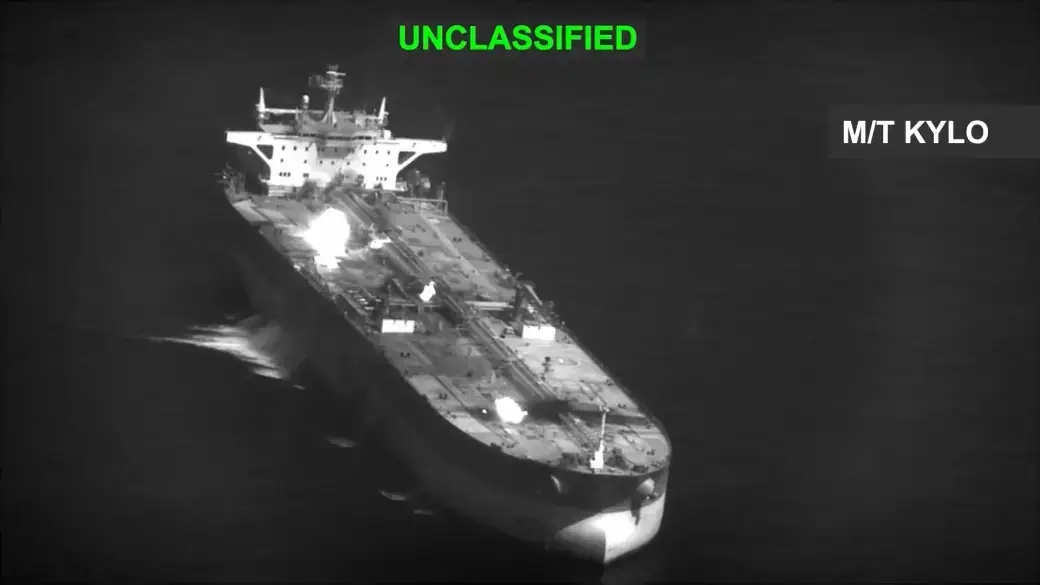
The conflict between the United States, Israel, and Iran has intensified over the past week, as Tehran continues to retaliate for earlier strikes targeting senior leadership and critical infrastructure. Following the attacks on Iranian energy facilities, Iran launched targeted strikes against a Kuwaiti power and desalination plant, further destabilizing regional energy supply and heightening concerns about the security of critical utilities across the Gulf. Meanwhile, the Houthis have entered the conflict, conducting missile attacks against Israel and signaling their willingness to open a new front. This development has raised concerns that maritime chokepoints, including the Bab el-Mandeb Strait, a vital artery for global oil and shipping, could be threatened, potentially disrupting international trade and logistics flows in the Red Sea. U.S. forces have continued to reinforce their presence in the region, as reports suggest over 50,000 personnel, including Marines and elements of the 82nd Airborne Division being deployed, with sufficient capability to conduct a significant ground operation against Iran if ordered. Additionally, Yemen’s Houthis have entered the conflict as they announced missile attacks on Israel. Their missile capabilities, combined with their strategic positioning near the Bab el-Mandeb Strait, raise the risk of regional trade disruption and shipping delays, further threatening global energy markets and supply chains.
We advise organizations to continue to reassess deployment of personnel, suspend non-essential travel, maintain contingency plans for transport and supply chain interruptions, and enhance security protocols. Monitoring airspace and maritime restrictions, maintaining situational awareness, and coordinating with local authorities and vetted security providers are crucial in mitigating operational and personnel risks during this period of unprecedented instability.
Nationwide “No Kings” Protests in U.S. Mark Record Turnout Against Trump Policies:
Millions of people across the U.S. and cities worldwide took part in the latest round of “No Kings” protests against the Trump administration, marking what organizers say was the largest single-day coordinated demonstrations in U.S. history, with an estimated 8 million participants at more than 3,300 events nationwide. Protestors mobilized in all 50 states, including major gatherings in New York, Los Angeles, Chicago, and Washington D.C., focusing on a broad set of grievances including immigration enforcement, the war in Iran, economic discontent, and concerns over executive authority and democratic norms. While the majority of events were peaceful and centered on civic expression, some rallies in cities like Los Angeles saw confrontations with police, resulting in arrests and localized clashes. Counter‑protests by supporters of President Trump also occurred in several locations, underscoring widening political polarization. The scale of the protests demonstrate concerns about political tensions and public sentiment toward federal authority, immigration policy, and the conflict in Iran. For businesses, such widespread mobilization reflects heightened civic engagement and potential for expanded social activism that may affect urban operations. Recurring demonstrations can coincide with transport disruptions, increased security presence, and temporary impacts on commercial districts, especially in major metropolitan areas.
We advise business travelers to consider the potential for crowd‑related disruptions in major U.S. cities on or around planned protest dates, particularly in central business districts and near government buildings. Corporate security teams should monitor local advisories, avoid scheduling events or travel during peak protest activity.
Foiled Attack on Bank of America in Paris Highlights Proxy-Linked Threat in Europe:
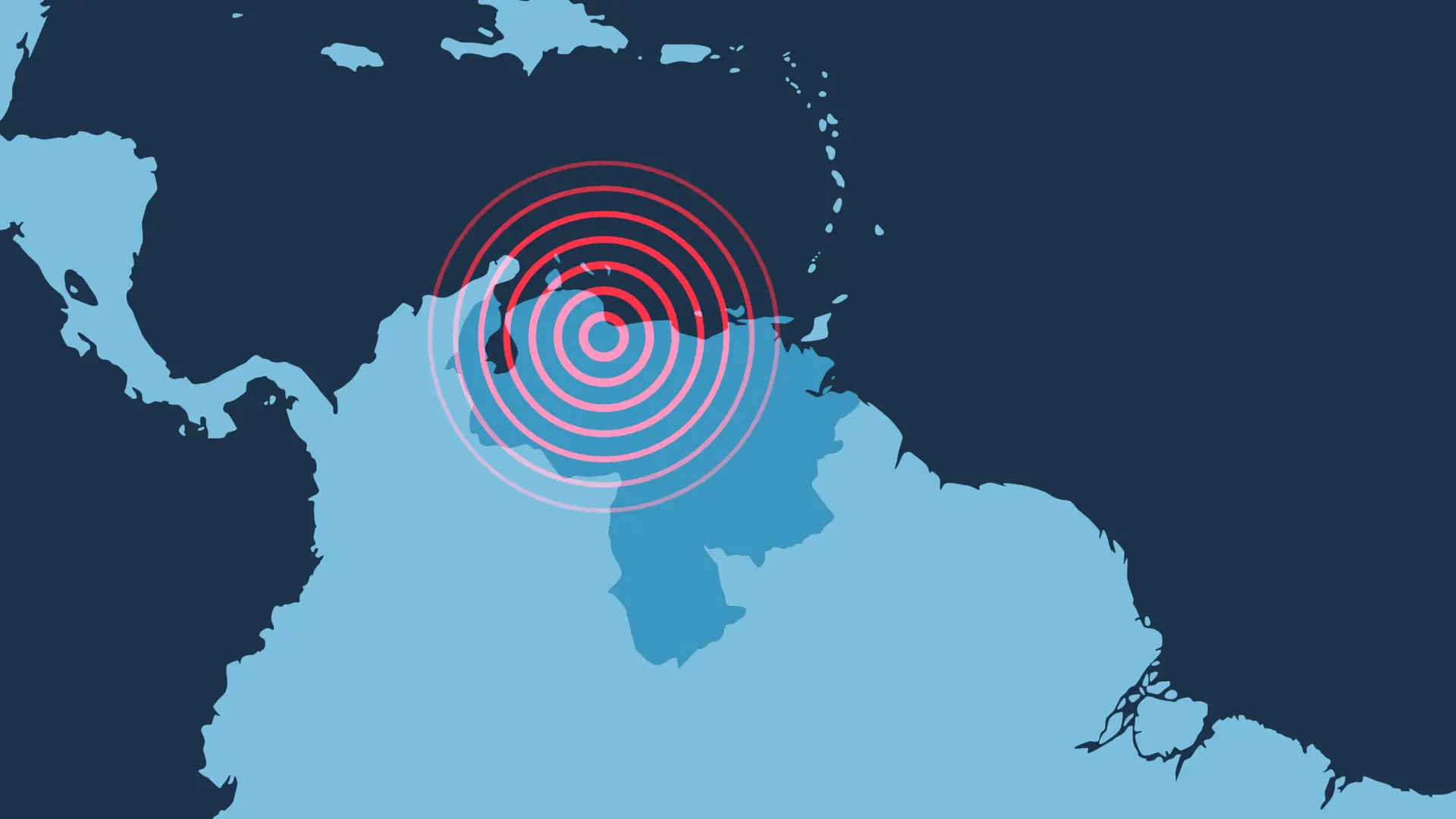
French authorities detained suspects connected to a foiled attack targeting the Bank of America office in Paris. The incident unfolded when police intercepted individuals attempting to ignite a crude improvised explosive device outside the building, arresting one suspect on the scene and tracking down others in subsequent operations. Prosecutors have launched a terrorism investigation, with charges including attempted destruction using explosive material and participation in a wider criminal network. Officials indicated the suspects may have been acting as intermediaries, potentially recruited and directed by external actors, reflecting broader concerns about low-cost, proxy-driven attacks targeting Western-linked sites. The case shows how the ongoing U.S.–Iran conflict has heightened vigilance around sleeper cells and indirect attacks in Europe. The use of locally recruited individuals, incentivized through informal channels, underlines how conflicts can translate into threats against soft Western targets, with sophisticated methods that are challenging to anticipate yet still pose lethal risk.
We advise executives and business travelers to Europe to remain vigilant around corporate offices and banks and maintain heightened awareness of local security advisories. Organizations should reinforce protocols and consider limiting non-essential staff presence in high-risk locations during periods of elevated threats.