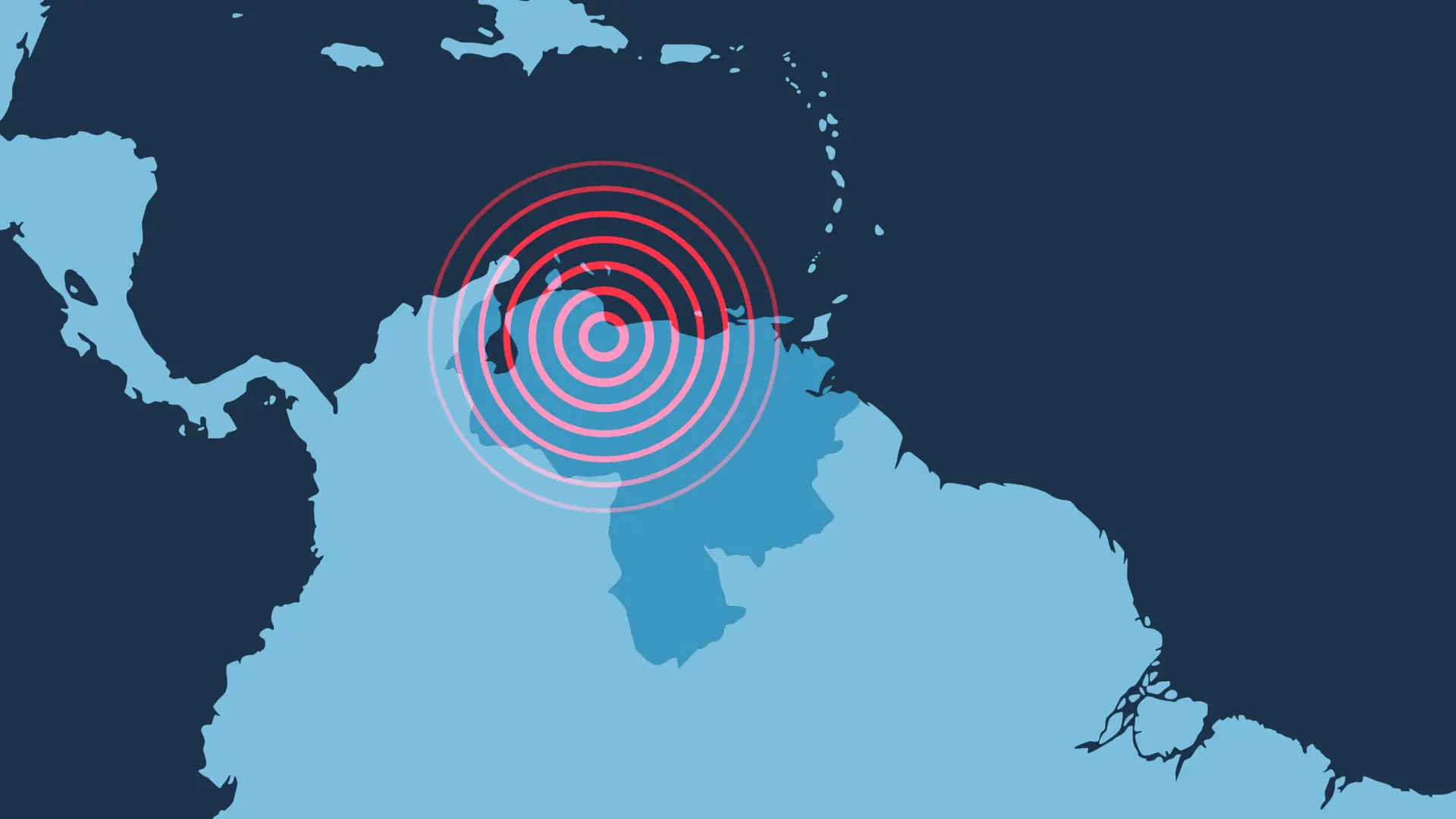

U.S. Seizes President Maduro, Leading to Potential Instability:
U.S. forces conducted a special forces operation mission in Venezuela, resulting in the capture of President Nicolás Maduro and First Lady Cilia Flores, with Washington citing long-standing U.S. indictments for narcotics trafficking and framing the operation as the culmination of failed negotiations. President Donald Trump subsequently stated the United States will take a leading role in Venezuela’s “stabilization and reconstruction,” explicitly referencing the country’s oil sector, while interim authority in Caracas has shifted to Vice President Delcy Rodriguez amid uncertainty over the positions of key regime figures such as Diosdado Cabello and Defense Minister Vladimir Padrino Lopez. Venezuelan naval units have remained on alert and nationalist messaging has intensified, raising the risk that remaining Chavista elites may either seek accommodation with Washington to preserve their influence or resist, potentially triggering internal fragmentation and spillover instability. The removal of Maduro marks an historic inflection point with the ambiguous U.S. posture toward Venezuelan oil assets, introducing a high-risk environment. The situation is likely to generate short-term volatility in crude markets and legal uncertainty for existing and prospective operators while creating conditions for factional competition inside Venezuela’s energy sector.
We advise executives and companies, especially in the oil sector, to continue to closely monitor the situation, ensure contingency planning for personnel and anticipate possible airspace or maritime disruptions transiting through the Caribbean amid the evolving political and security landscape.
Trust Wallet Hack Drains $7M in Crypto, Underscoring Supply-Chain Risks:
A compromised update to the Trust Wallet Chrome extension has led to the theft of approximately U.S. $7 million in cryptocurrency from users’ wallets after malicious code embedded in a seemingly legitimate update. The infiltration highlights a growing trend whereby threat actors exploit software supply-chain mechanisms, including trusted plugins and browser extensions, to insert harmful code that inherits the trust of widely distributed tools. Binance and other platforms have urged users to immediately update patched versions and enable additional security features to mitigate further loss. The incident underscores even tools perceived as secure or peripheral can become direct vectors for significant financial theft, and attackers will focus on any point in the ecosystem where automated updates and user trust intersect.
We advise executives, security teams and users exposed to crypto wallets or browser-based identity tools to prioritize vetting of third-party extensions and plugins and enforce strict software-supply-chain controls, as compromised browser updates can intercept credentials or transactions and drain digital assets.
China Revises Foreign Trade Law to Expand Retaliatory Powers and Market Access:
China approved significant revisions to its Foreign trade law, set to take effect on March 1, 2026, bolstering Beijing’s tools to respond to trade disputes while signalling a willingness to further open segments of its economy. The updated law empowers Chinese authorities to more quickly enact countermeasures against trading partners that impose export restrictions or other punitive trade barriers, broadening the legal basis for retaliation beyond traditional tariff responses. At the same time, the legislation introduces “negative lists” to systematically open previously controlled sectors to foreign investment and trade, with particular emphasis on digital commerce, green technologies, and intellectual property protection, areas aligned with requirements for China’s potential accession to the Comprehensive and Progressive Agreement for Trans‑Pacific Partnership (CPTPP). This dual focus both enhances Beijing’s leverage in trade conflicts and suggests a nuanced strategy of blending competitive protection with selective liberalization. For business leaders, the revision also likely signals China’s response to export controls or technology restrictions could become faster and more legally embedded, potentially amplifying risks associated with geopolitical decoupling, supply-chain disruptions, and compliance uncertainty.
We advise executives with exposure to Chinese trade, investment, or technology supply chains to review tariff and non-tariff risk models, and ensure compliance with existing and forthcoming trade regulations as the new law significantly expands Beijing’s legal authority to retaliate against foreign firms and restrict market access with little notice.