Southeast Asia Floods and Cyclones Severely Disrupt Regional Supply Chains:
Southeast Asia continues to be affected by more torrential rains and storm-driven flooding. In Indonesia’s Sumatra, the flood death toll increased to 502, as waters receded enough for rescue teams to reach previously isolated communities. In Sri Lanka, devastation caused by Cyclone Ditwah prompted officials to raise the confirmed death toll to 355, with an additional 366 people reported missing, prompting an urgent national aid response. Southern Thailand remained severely affected, with continuing flooding in multiple provinces as authorities battled to contain widespread damage and support displaced populations. Rescue and relief operations continued throughout the weekend. In Sumatra, helicopters and military units were deployed to reach stranded residents where roads were washed out or blocked by landslides. In Sri Lanka and Thailand, thousands remain housed in evacuation shelters while governments scramble to restore utilities, clear debris and repair damaged infrastructure. The scale of destruction has shown a deepening humanitarian crisis with hundreds killed, thousands displaced and vital infrastructure. Supply-chain disruptions are impacting logistics across affected zones; with ports inundated, transport corridors cut, and inter-provincial trade routes damaged, businesses will likely face cascading delays and increased operational costs.
We advise executives with exposure in Southeast Asia to review their business-continuity and disaster recovery plans, including diversified logistics networks. Companies should engage closely with local partners and insurers to assess asset, inventory, and reputational risks.
Rising Kidnap-for-Crypto Threat Targets High-Value Individuals:
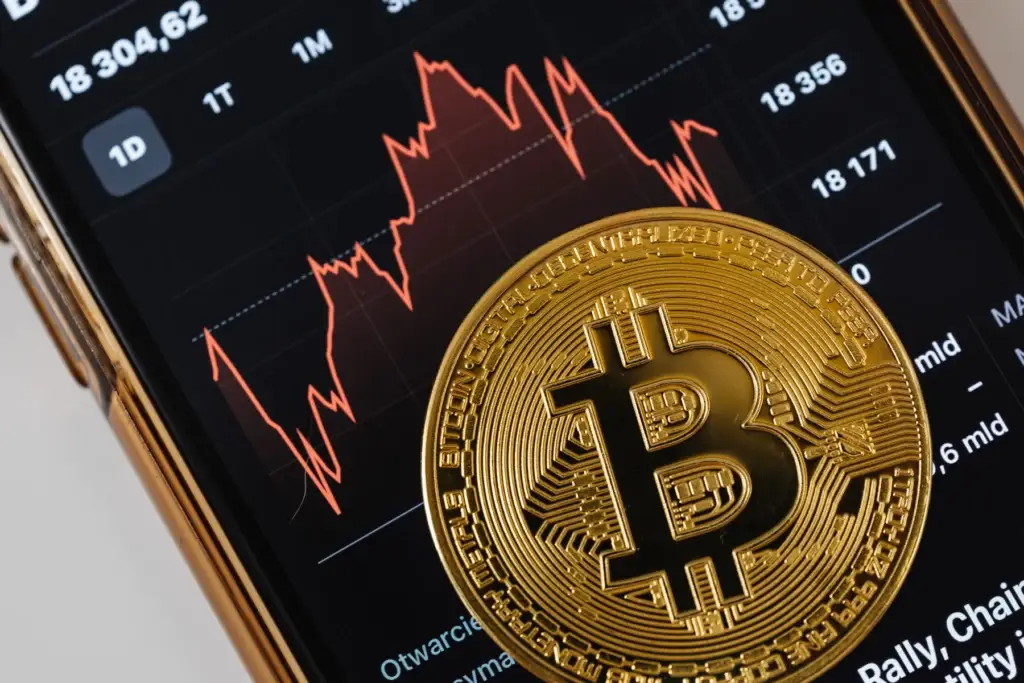
Criminal groups are increasingly shifting from digital coercion as a means of accessing cryptocurrency, targeting wealthy holders through kidnapping, home invasions and forced extortion, according to recent open source reporting. Criminals often use blockchain transparency, social-media activity, conference attendance, and public lifestyle cues to identify with substantial assets. Once the target is selected, victims may be compelled under threat or violence to hand over seed phrases or sign transactions, bypassing even the most advanced digital protections. This evolution marks a critical transition in crypto-related crime as the threat no longer is confined to cyberspace but directly intersects with personal safety, executive travel, and family-security risk profiles.
We advise high-net-worth individuals and firms with digital asset exposure to strengthen personal-security protocols, minimize public visibility of holdings, and implement planning for physical extortion scenarios.
Unmanned Surface Vessels (USV) Attacks Raise Risks for Russian Oil Shipping:
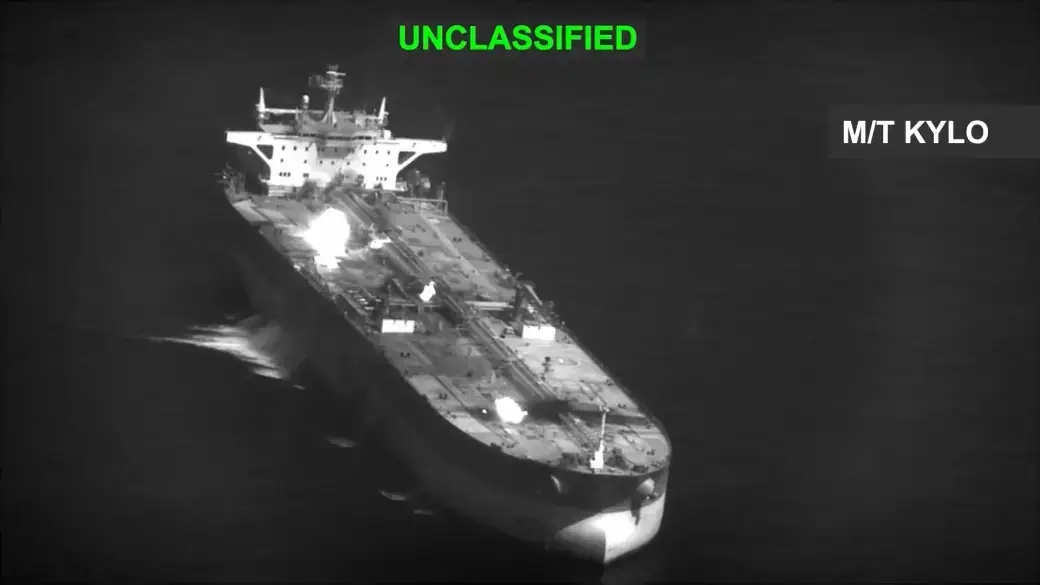
Two Gambia-flagged oil tankers, VIRAT and KAIROS, reportedly involved in Russian oil shipments, were struck by Ukrainian USVs in the Black Sea. The Turkish coast guard was deployed to assist the damaged ships. While both vessels were unladen and no injuries occurred, the attacks highlight a growing trend in the conflict: the use of autonomous maritime systems to target commercial shipping associated with sanctioned Russian oil. This incident underscores the increasing risks for vessels transporting energy commodities from sanctioned sources, and the potential for disruptions to global oil logistics.
We advise multinational energy firms, shipping companies, and executives involved in maritime logistics to review routes, ensure compliance with sanctions regulations, and implement heightened security protocols for vessels navigating contested waters. Maintaining insurance coverage and contingency planning for cargo rerouting or delays is recommended.