Concentric is monitoring the evolving conflict between the United States and Iran following the deaths of U.S. service members in Iraq and Jordan, and an increasing risk of retaliation against assets across the Middle East. We are also assessing the geopolitical and investment implications of the U.K. government’s nationalization of British Steel, which has intensified tensions with China and heightened uncertainty surrounding foreign investment in strategically important sectors. Finally, we are tracking the establishment of the China-led World AI Cooperation Organization (WAICO), which reflects the growing fragmentation of global artificial intelligence (AI) governance.
American Service Members Killed in Iraq and Jordan as U.S. Strikes Iran for 9th Straight Night
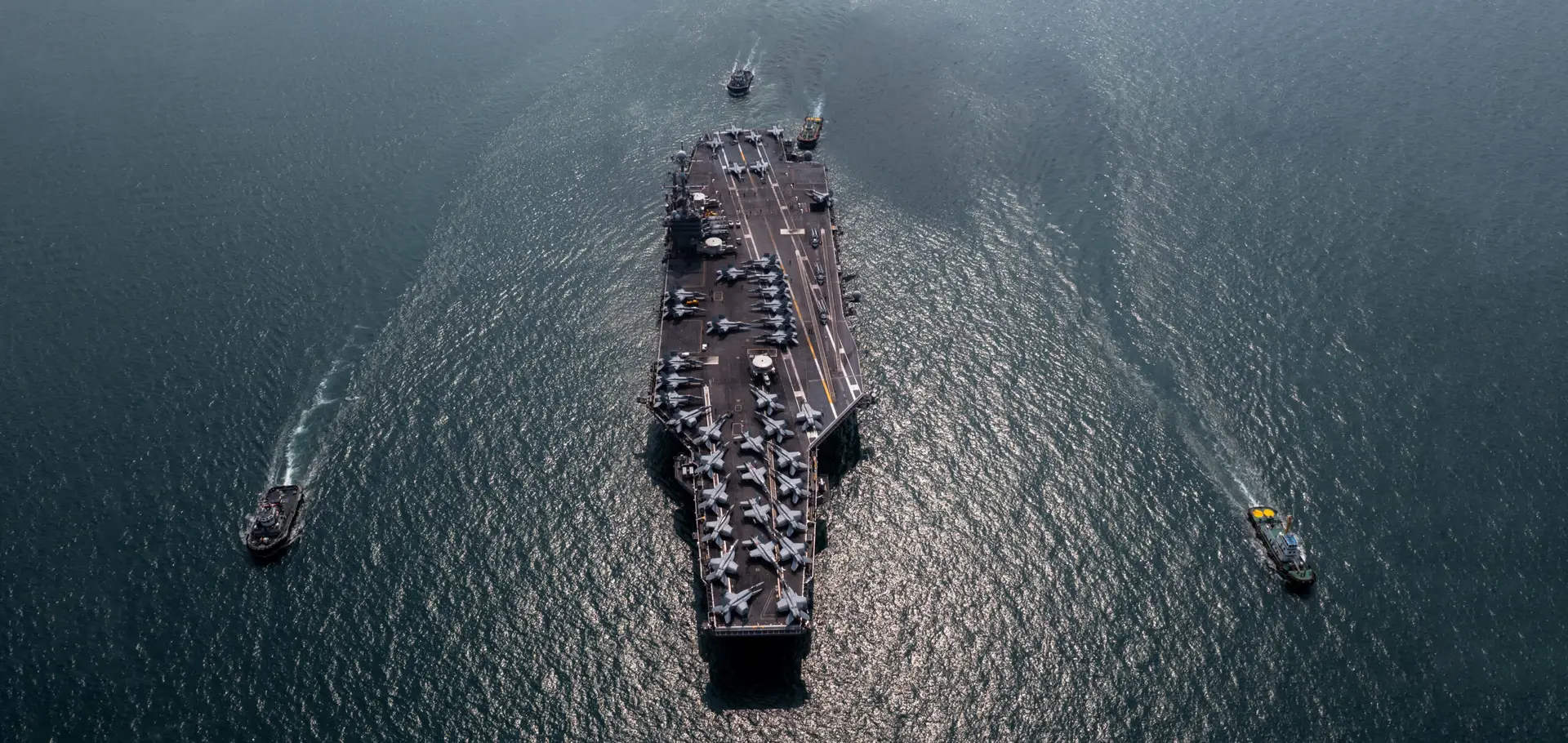
The security situation across the Middle East has further deteriorated after U.S. service members were killed in Iraq and Jordan amid continued U.S. military strikes against Iranian targets for a ninth consecutive night, bringing the U.S. service death toll in the conflict to 17. The incident reflects an escalating cycle of military action and retaliation involving U.S. forces and regional actors. Continued exchanges increase the risk of broader regional instability, with military bases, diplomatic facilities, and critical infrastructure vulnerable to further attacks. Raising the likelihood of operations against U.S. allied interests throughout the region, with Kuwaiti officials reporting their air defenses engaging hostile drone attacks from Iran over the weekend. Continued military activity may contribute to greater volatility in global energy markets, particularly if the conflict continues to target key oil and gas infrastructure and major shipping routes.
We advise businesses and travelers to the Gulf region to assume volatility as the ever evolving situation could immediately spill into surrounding countries. Companies should have appropriate risk assessments and crisis management in place for physical security concerns and contingency plans for supply chain and energy disruption.
U.K. Nationalization of British Steel Raises Geopolitical and Investment Risk Concerns
The U.K. government’s decision to bring British Steel into public ownership has prompted criticism from China, with Beijing warning the move could undermine confidence among Chinese investors and negatively impact bilateral economic relations. The nationalization followed concerns over the company’s financial viability and the strategic importance of maintaining domestic steel production for national infrastructure and defense. British Steel was previously owned by China’s Jingye Group, which indicated it is considering legal action and compensation claims under international investment protections. The development reflects increased government intervention in sectors critical to national security and economic resilience. Concerns over U.K.–China economic relations have increased alongside existing geopolitical tensions that continue to influence cross-border investment. Scrutiny of foreign ownership in strategic industries, may reduce investor confidence and complicate future foreign direct investment into critical UK sectors.
We advise organizations with investments, operations, or supply chain exposure to the U.K. and China to review if their business activities intersect with sensitive sectors such as steel, critical minerals, energy, or tech, where governments may use intervention powers in times of heightened national security. Investors should incorporate domestic political risk into investment decisions to understand compensation frameworks if state intervention occurs.
Twenty-nine Countries Sign China-Led Agreement to Establish Global AI Cooperation Body
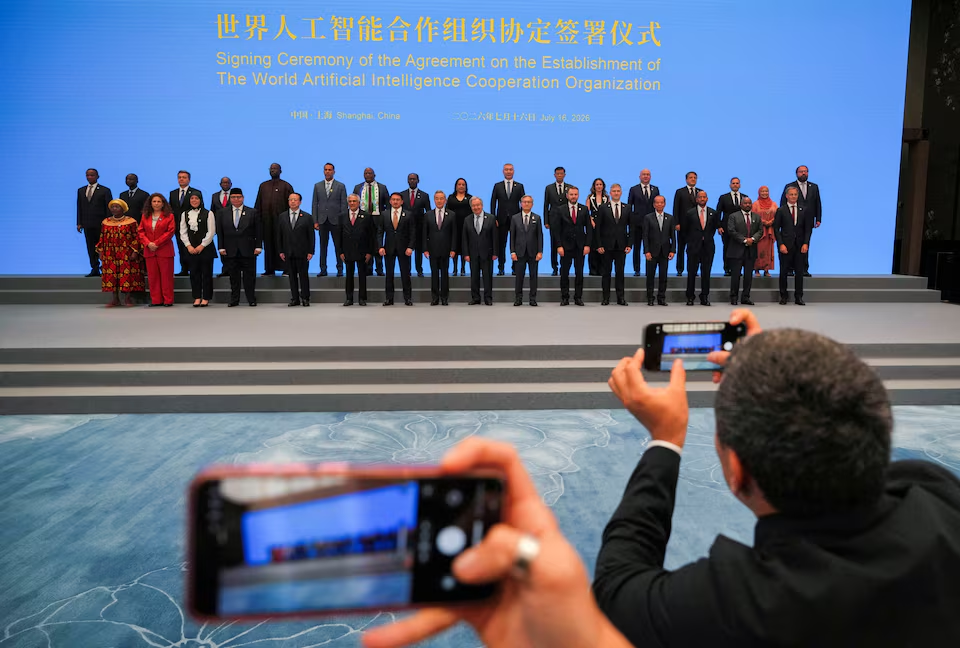
Representatives from the 29 countries, including Russia, Belarus, Serbia, Cuba, Brazil and Venezuela, as well as 10 African and 12 Asian countries, signed the agreement as founding members. WAICO, a China-led intergovernmental body intended to strengthen international cooperation and governance in AI. The initiative reflects China’s growing efforts to shape global AI standards, governance frameworks, and technology collaboration amid strategic competition with the United States and its allies. The organization’s formation comes as governments pursue competing approaches to AI governance, technology supply chains, and export controls, reinforcing a global AI landscape into increasingly distinct regulatory and geopolitical blocs. The evolving regulations could increase operational costs, complicate cross-border collaboration, and create barriers to international tech partnerships.
We advise organizations developing or deploying AI to account for differing regulatory requirements and diversify technology suppliers where feasible to reduce geopolitical and operational risk.