Leader of the CJNG Killed in Mexico, Triggering Nationwide Cartel Retaliation:
Mexican special forces killed the leader of the CJNG, Nemesio Oseguera Cervantes, widely known as “El Mencho” during a U.S. intelligence-supported operation in Tapalca, Jalisco. Authorities reported multiple fatalities, arrests, and the seizure of military-grade weapons. Within hours, CJNG cells launched coordinated reprisals, erecting 250 roadblocks across at least 20 states and carrying out widespread arson attacks, including the burning of vehicles, banks, and commercial premises. Jalisco activated a statewide “Code Red,” suspending public transport, closing schools and cancelling mass events, while other states followed with precautionary closures. Flights at Guadalajara and Puerto Vallarta experienced disruption, and several foreign governments issued shelter-in-place advisories. Although federal forces reported reopening most key routes within 24 hours, the scale and geographic spread of the retaliation highlight CJNG’s national mobilization capacity and intent to demonstrate resilience. The killing of CJNG’s leader shows a major tactical victory for the government but raises short- to medium-term security risks. Retaliatory violence, transport disruption, and targeted attacks on state infrastructure or security forces remain likely in cartel strongholds such as Jalisco and Guanajuato. For businesses, episodic shutdowns of highways, ports, industrial zones, and airports in western and central Mexico cannot be ruled out in the coming weeks.
We advise companies with personnel or operations in Mexico to monitor local security updates, avoid non-essential travel to affected areas, build flexibility in logistics planning in case of renewed road closures or transport disruptions. Executives should ensure travel security protocols are in place.
Supreme Court Curbs Presidential Tariff Powers, But Trade Uncertainty Persists:
The Supreme Court ruled President Trump exceeded his authority under the IEEPA by imposing sweeping tariffs, affirming taxation powers rest with Congress and the IEEPA does not authorize broad-based import duties. The ruling invalidates tariff measures that generated more than $175 billion in revenue and requires U.S. Customs and Border Protection to cease collections under that legal framework. However, tariffs enacted under Sections 232 and 301 remain in effect, and the administration has moved quickly to invoke Section 122 of the Trade Act of 1974, imposing a temporary 15 percent tariff for up to 150 days while preparing additional investigations that could reinstate broader trade restrictions through alternative statutory channels. The decision constrains the executive branch’s ability to unilaterally impose emergency tariffs but does not materially lower overall U.S. trade barriers. Instead, it shifts the situation toward Congress and toward sector-specific trade tools, while potentially leading to refund litigation from importers seeking recovery of previously collected IEEPA duties. With midterm elections approaching, trade policy is likely to remain politically sensitive, prolonging regulatory volatility rather than delivering immediate normalization.
We advise executives to review their exposure to existing and potential tariffs and avoid assuming that trade costs will fall in the near term. Companies should build flexibility into sourcing and pricing strategies, monitor new trade investigations closely, and prepare for continued policy uncertainty throughout 2026.
Blizzard Warnings Issued Across U.S. East Coast as Severe Winter Storm Approaches:
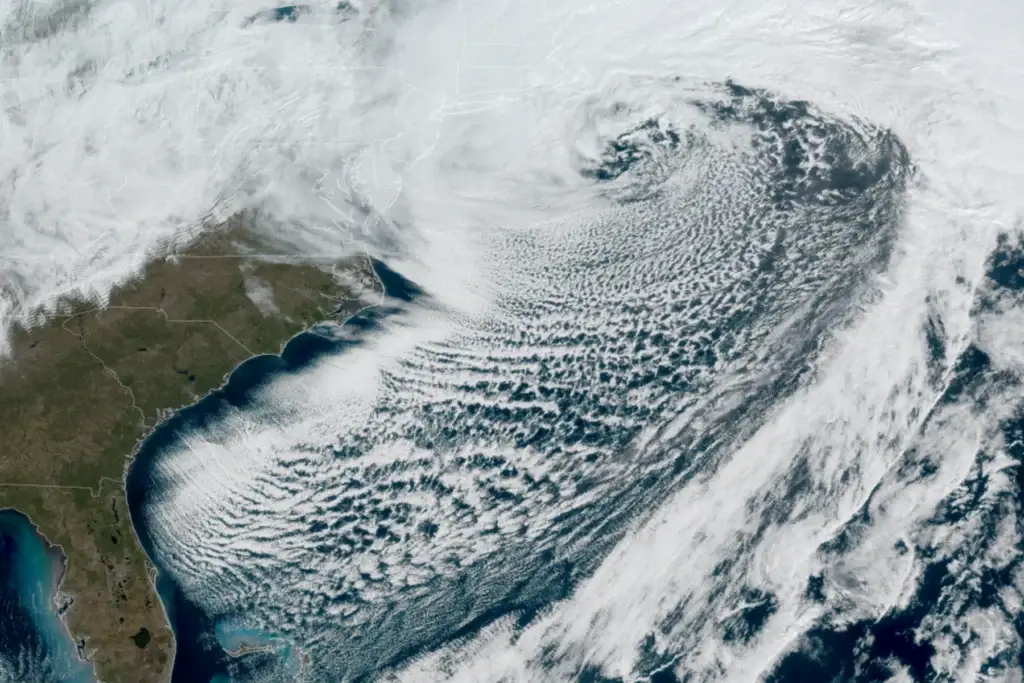
A powerful winter storm struck the U.S. East Coast has evolved into a blizzard, bringing heavy snow, high winds and whiteout conditions and prompting states of emergency, travel bans, and widespread service shutdowns across multiple states. Blizzard warnings, the first for major cities like New York City since 2017, have affected more than 40 million people, with some areas recording up to two feet of snow and 50–70 mph wind gusts, shutting down roads, transit systems and airports. Governors and city officials have declared emergency measures, imposed travel restrictions and deployed National Guard units, while utilities report hundreds of thousands of customers without power and coastal communities face moderate flooding and storm surge risks. Major airports including JFK, LaGuardia and Boston Logan have cancelled thousands of flights, and train and bus services across the Northeast and Mid-Atlantic remain heavily disrupted.
We advise travelers to monitor state and local weather advisories closely, consider postponing non-critical travel during peak storm hours, and make sure continuity planning is taken into account.