
Hamas and Israel Advance Peace Deal via Hostage Exchange:
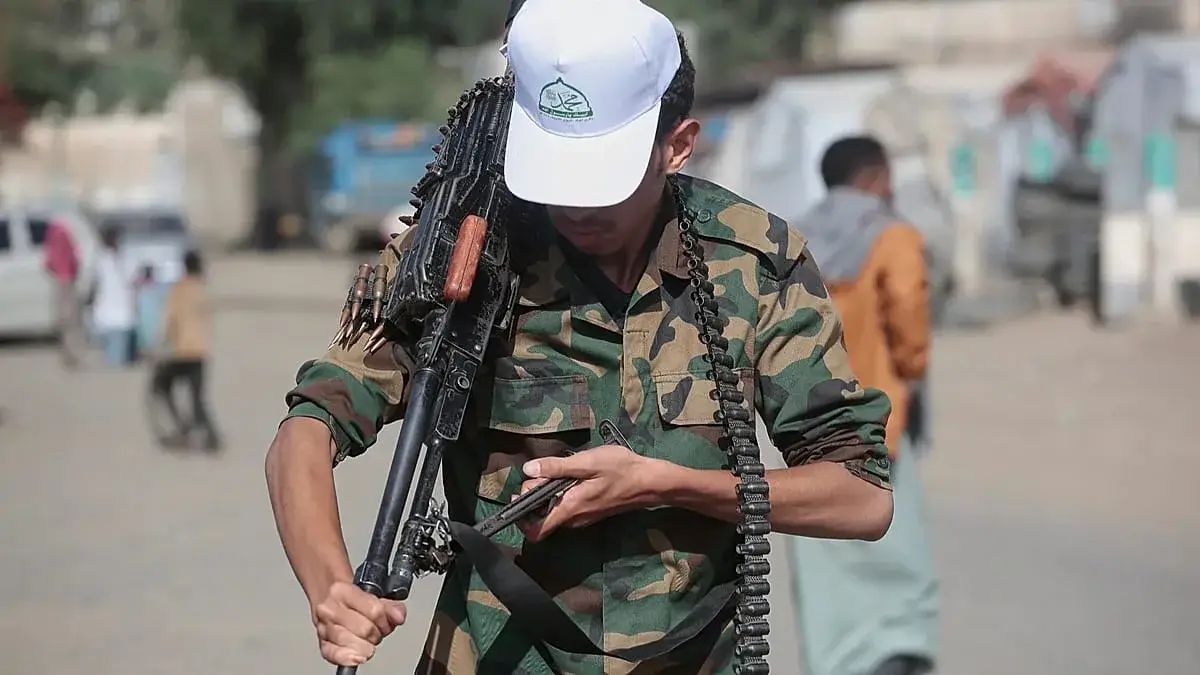
Hamas and Israel agreed to implement a first phase of a U.S.-brokered peace plan. Hamas released the final 20 surviving Israeli hostages under the deal, with Israel reciprocating by freeing nearly 2,000 Palestinian prisoners, marking a dramatic milestone in the two-year war. The agreement is being hailed as the first major diplomatic breakthrough in months, and is designed to lead into a broader process involving troop repositioning, humanitarian aid access, and a future transitional governance structure for Gaza. While the hostages’ release is a powerful symbolic moment, major questions remain, especially regarding Hamas disarmament, the future of Gaza’s political structure, and how Israel and international actors will monitor compliance. The fragile truce must be maintained amid pressure from hardliners on both sides, and reconstruction and security guarantees will require deep international coordination.
We advise companies with exposure in the region particularly in reconstruction, logistics, or humanitarian sectors, to review local risk models. We also advise executives to monitor regional spillover risk such as protests, border unrest and ensure their travel, security, and stakeholder communication plans are ready for swift change.
Poland Reports Rising Cyberattacks on Critical Infrastructure Blaming Russia:
Poland’s Deputy Prime Minister and Digital Affairs Minister publicly said the country’s critical infrastructure, including energy grids and telecommunications systems, has seen a growing number of cyberattacks in recent months, which he attributes to escalated operations by Russia’s military intelligence. He claimed Russia has “trebled” its resources for such activity against Poland in 2025. These attacks suggest a widening of hybrid warfare tactics beyond traditional military fronts, pushing adversaries to target national resilience, civilian functions, and strategic networks rather than battlefield systems.
We advise companies with exposure in Poland or across Central and Eastern Europe to assess the security of their infrastructure, particularly in utilities, telecoms, and supply chain nodes. We further advise corporations to elevate their threat monitoring and contingency planning, and utilize rapid incident response frameworks in increasingly contested digital environments.
China Tightens Rare Earth Export Controls:
China expanded its export restrictions on rare earth elements, adding five more, along with related magnets and processing technologies to its control list. These measures, effective beginning December 1, will require foreign companies to obtain Chinese export licenses for products containing over 0.1 percent of these materials, even if the transaction does not involve Chinese entities. The Chinese government justifies these actions as necessary to safeguard national security and prevent the diversion of sensitive technologies for military applications. This move coincides with escalating trade tensions between the U.S. and China. In response to China’s actions, President Donald Trump announced 100 percent tariffs on Chinese goods and new controls on software exports, although he later indicated openness to negotiation. Chinese officials criticized U.S. measures as hypocritical and defended Beijing’s export controls as legitimate, emphasizing they are driven by security concerns rather than retaliation. In addition, China added 14 foreign entities, including U.S.-based companies such as TechInsights and Dedrone by Axon, to its “unreliable entity list.” These firms have been accused of aiding foreign suppression of Chinese enterprises or engaging in activities deemed harmful to China’s national interests.
Concentric assesses companies reliant on these materials should monitor their supply chains for vulnerabilities and consider diversifying sources to mitigate potential disruptions. Furthermore, regarding the inclusion of foreign entities on China’s “unreliable entity list,” executives should closely monitor these developments and consult with legal and compliance teams to navigate the evolving trade landscape.