
Major Fire at Dhaka Airport Threatens Bangladesh Garments Exports:
A large fire erupted at the import cargo complex of Hazrat Shahjalal International Airport in Dhaka, destroying storage areas that contained raw materials, finished garments, and product samples critical to Bangladesh’s garment-export industry. The blaze forced flight suspensions, disrupted air logistics during the peak October to December export season, and industry leaders estimate potential losses could reach U.S. $1 billion. The incident highlights the vulnerability of Bangladesh’s garment-export infrastructure at a time when global supply chains are already under strain. In addition, travelers face heightened risks of airport congestion, delayed departures, and rescheduled flights, affecting both business and leisure travel.
We advise executives and multinational companies with operations or supply chains in Bangladesh to review contingency plans, and diversify logistics routes if possible. We further advise travelers and corporate travel teams to anticipate disruptions, adjust schedules, and maintain flexible travel arrangements to mitigate delays.
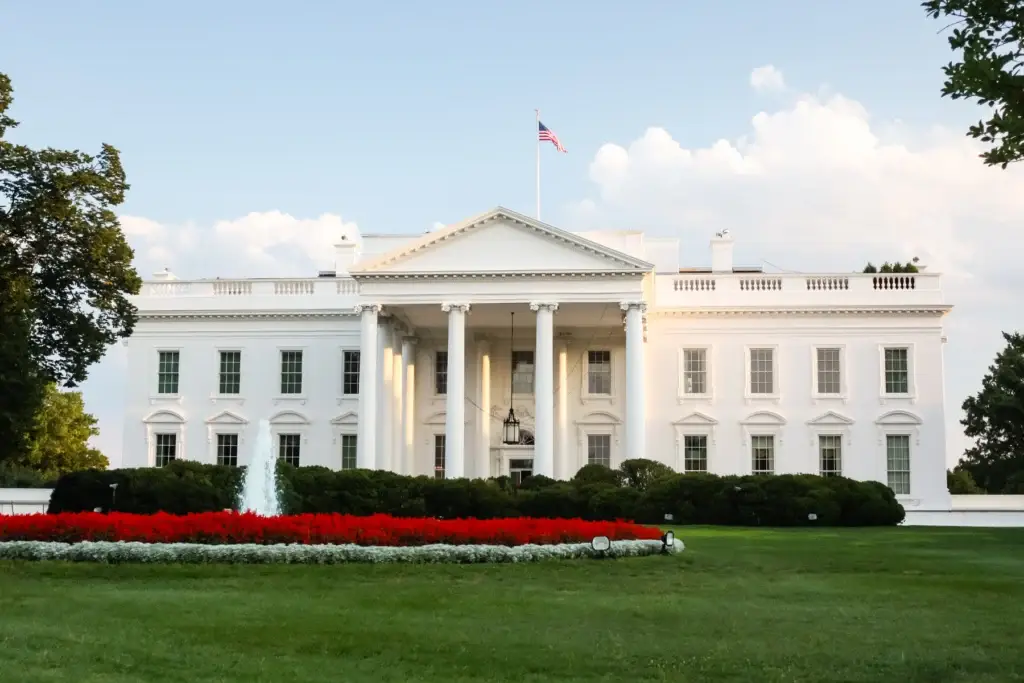
White House Meeting Signals Potential Shift in U.S. Policy Toward Ukraine:
A meeting between U.S. President Donald Trump and Ukrainian President Volodymyr Zelensky reportedly became heated as Trump pressed Ukraine to cede the Donbas region to Russia, warning failure could lead to Ukraine’s “destruction,” while Zelensky firmly rejected the demand, emphasizing Ukraine’s sovereignty and the need for continued international support. The meeting concluded without Zelensky securing the requested Tomahawk missiles, and European allies have expressed concern over what they see as a change in U.S. policy toward a more conciliatory approach to Russia. This development indicates potential strain on the U.S.–Ukraine relationship and complicates efforts to maintain a cohesive Western strategy. For Ukraine, the lack of immediate military support could impact defensive operations, while Russia may interpret this as an easing of pressure.
We recommend executives with exposure in Europe to closely monitor geopolitical developments, as shifts in U.S. foreign policy could affect regional stability and security conditions.
U.K. Cyberattacks Surge, Heightening Executive-Level Risk Exposure:
Cyberattacks across the U.K. have risen sharply, increasing by approximately 50 percent over the past year, according to the National Cyber Security Centre (NCSC), which responded to 429 incidents, 18 of which were classified as “highly significant.” Major targets included well-known firms such as Marks & Spencer and the Co-op Group, while the NCSC is also investigating a potential Russian-linked attack on Jaguar Land Rover. The growing sophistication of cyber threats, including the potential deployment of artificial intelligence (AI)-powered attacks, is creating heightened risk for both operational disruption and reputational damage.
We assess executives should prioritize cyber risk assessments, implement continuous monitoring, AI-assisted threat detection, and incident response exercises, while ensuring leadership is directly involved in shaping and overseeing cybersecurity strategies.