AWS Cloud Outage Exposes Dependence on Single Infrastructure Providers:
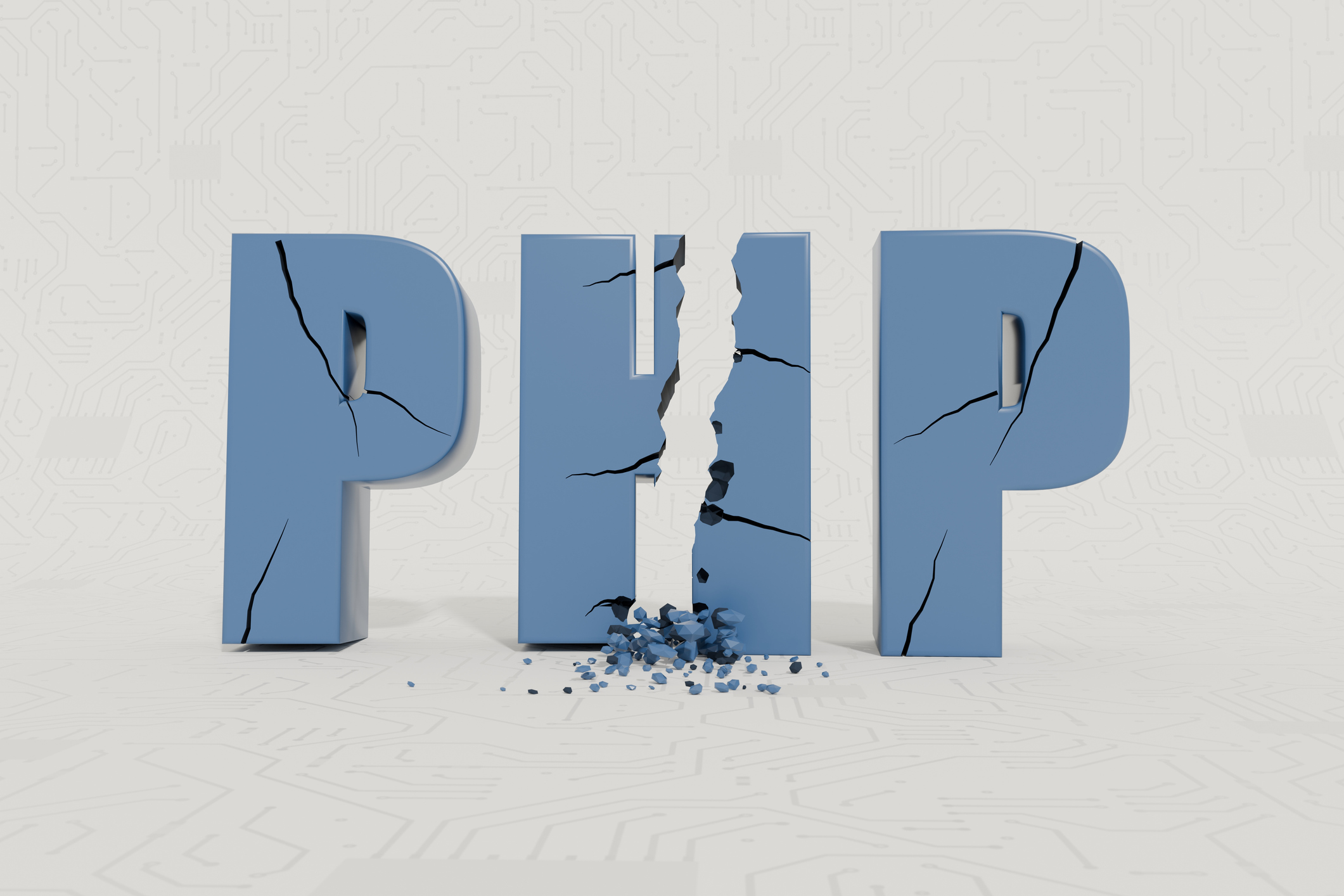
A major AWS outage in its U.S.-East-1 region caused widespread disruption to digital infrastructure worldwide, affecting over 1,000 websites and services, including banks, airlines, communications platforms, and major consumer-tech firms. The outage, traced to a cascading DNS resolution failure, lasted several hours and temporarily crippled key online systems that depend on AWS’s cloud backbone. While services were progressively restored, the incident reignited debate over the systemic risks of over-reliance on a single cloud provider, particularly one hosting critical government, financial, and enterprise workloads. Such concentrated cloud dependencies create a form of “digital single point of failure,” with economic ripple effects reaching across sectors. Regulators in both the U.S. and Europe have renewed calls for stronger cloud resilience standards and transparency over incident reporting, as businesses grapple with the vulnerabilities of outsourced digital infrastructure.
We advise companies to review the cloud-dependency risks, consider diversifying across multiple vendors where feasible. In addition, establishing robust operational continuity, including offline contingencies will be important to mitigate financial and reputational risk during future large-scale cloud disruptions.
EU and U.S. Escalate Sanctions on Russia, Targeting Energy and Finance Sectors:
The E.U. formally approved the 19th sanctions package against Russia in response to the war in Ukraine, which notably includes a phased ban on Russian liquefied natural gas (LNG) imports, with the end of existing contracts in six months and long-term agreements ceasing by January 1, 2027. The package also targets Russian banks, crypto exchanges (including in India and China), shadow oil tanker companies, and imposes new limits on the movements of Russian diplomats within the EU. This followed Washington’s sanctions specifically targeting Rosneft and Lukoil, marking a significant escalation in the U.S. economic pressure on Russia. These measures freeze all U.S.-held assets of the companies and prohibit U.S. entities from conducting business with them. Additionally, the sanctions extend to 34 subsidiaries of Rosneft and Lukoil, effectively severing their access to U.S. financial systems and markets.
We recommend multinational companies with exposure to European energy markets to review contracts and procurement strategies. Furthermore, it will be important to ensure full compliance with E.U. and U.S. sanctions to mitigate legal, financial, and operational risks.
China Conducted its 15th Five Year Plan:
China’s Communist Party held the Fourth Plenary Session of the 20th Central Committee, outlining priorities for the upcoming 15th Five-Year Plan (2026 to 2030). The plan emphasizes technological self-reliance, particularly in semiconductors, artificial intelligence, and green energy, aiming to reduce dependence on foreign technologies amid ongoing U.S.-China tensions. It also seeks to transition from an export-driven economy to one more reliant on domestic consumption, addressing challenges such as weak domestic demand and industrial overcapacity. While specific policy measures will be finalized in March 2026, the plan signals China’s intent to strengthen its global position through state-led investment in strategic sectors, and the emphasis on domestic innovation may increase competition in key technology and energy areas.
We advise companies that have business operations in China to closely monitor the evolving policy landscape and assess potential impacts on supply chains, particularly in technology and energy sectors. Additionally, companies should keep track of China’s national security laws which increasingly govern foreign investment, data handling and technology transfers.