Open-Source AI Models Exposed to Criminal Misuse, Researchers Warn:
A new study discovered open-source large language models (LLMs), including variants of Meta’s Llama and Google DeepMind’s Gamma, are increasingly being deployed on exposed hosts without any safe guardrails conventional in commercial AI platforms, making them vulnerable to criminal misuse for activities such as phishing, disinformation, hate speech, fraud and other harmful content. Researchers monitored thousands of internet-accessible open-source LLMs over a year period and identified hundreds of examples where safeguards were explicitly removed, with approximately 7.5 percent of observed prompts indicating the potential to harm or conduct illegal behavior. The responsibility for misuse is shared across the ecosystem, from model developers to deployers, and shows a growing blindspot in industry discussions about AI safety, likening the unmonitored open-source landscape to an “iceberg” of hidden risk that could be exploited with little oversight.
We advise executives and cybersecurity leaders to include open-source AI deployment risk in enterprise threat models, establish clear policies governing internal use of open-source LLMs and ensure robust monitoring and due diligence are in place before adopting or exposing such models in a business setting.
Washington Prepares Options for Potential Strikes on Iran:
Officials from Israel and Saudi Arabia visited Washington last week for high-level discussions with U.S. counterparts on the escalating situation with Iran, engaging with consultations that included intelligence briefings as deliberations on possible actions amid regional tensions. The talks come as the Trump administration weighs a range of opposition, including potential limited military strikes, to pressure Tehran over its nuclear and proxy activities, even as Riyadh publicly supported a peaceful resolution to the crisis. Meanwhile, Iranian Supreme Leader Ayatollah Ali Khamenei warned the U.S. that any attack on Iran will lead to a “regional war,” further escalating the situation. Other countries such as Qatar, Egypt, and Turkey have urged for peace and are working to organize a meeting between White House envoy Steve Witkoff and senior Iranian officials in Ankara. While a final decision has not been made, regional allies are urging restraint to avoid large-scale conflict and to mitigate destabilization that could ripple through oil markets and security partnerships. Ongoing diplomatic overtures underlines the persistent uncertainty over whether Washington will pursue forceful options or broaden negotiations.
We advise companies with personnel, energy interests, or supply chains in the region to monitor diplomatic and military developments closely in order to prepare shifts in the regional risk posture, and make sure business travel protocols account for possible airspace closures, maritime security alerts, or notifications from embassy advisories.
Venezuela Opens Oil Sector to Foreign Investment Amid Reform Push:
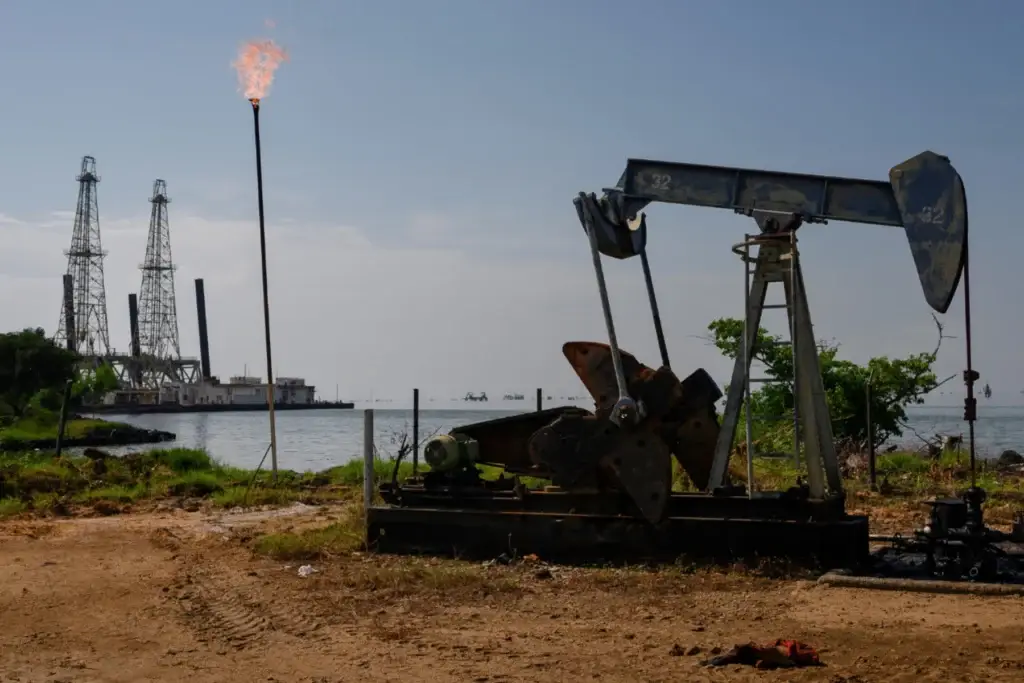
Venezuela’s National Assembly approved a hydrocarbons law reform which will open the country’s oil sector to private and foreign investments. Acting President Delcy Rodriguez signed the legislation on 29 January, allowing private companies greater autonomy over production, sales and revenue management, reducing royalties, and introducing independent international arbitration to address investor concerns, measures designed to attract capital and expertise to revive the beleaguered industry. The reform follows sustained pressure from Washington, including sanction relief and diplomatic engagement, and comes as Washington has already moved to ease barriers for U.S. firms to trade Venezuelan crude, a combination that is prompting international energy companies to reassess the opportunities in Venezuela’s vast hydrocarbon reserves. Although this move marks a positive sign for investment, legal uncertainty, a rushed legislative process with limited public consultation, and broader political instability could impact investor confidence, even as companies such as ExxonMobil highlight technical readiness to engage.
We advise executives in the energy, finance, and infrastructure sectors to carefully review legal and fiscal frameworks emerging from Venezuela’s reforms, conduct enhanced due diligence and take into account the concern for political volatility and regulatory uncertainty.