U.S. Protests Intensify After Second ICE-Linked Shooting in Minneapolis:
Protests intensified across the United States after federal immigration agents fatally shot 37-year-old ICU nurse Alex Pretti in Minneapolis during an ICE operation, generating widespread demonstrations not only in Minneapolis but in cities including New York, Washington, Boston and Los Angeles as communities and activists condemn the killing and call for accountability. Federal officials assert the agents acted in self-defense after Pretti allegedly approached with a firearm, a claim contradicted by bystander videos showing him holding a phone, deepening public distrust and fuelling sustained unrest. The shooting follows a similar fatal incident earlier January and comes amid an expanded federal immigration enforcement presence that has drawn sharp political criticism and triggered clashes between protestors and federal agents, including the deployment of the Minnesota National Guard at key sites in Minneapolis. Growing polarization over federal immigration tactics has also extended to the national political arena, with some lawmakers linking federal funding debates to the controversy and opposing ICE budget allocations, raising the specter of broader policy disputes.
We advise business travelers in the U.S. to monitor local advisories and avoid protest sites and federal buildings in cities experiencing demonstrations, allow for extra time for travel through major metropolitan areas, and anticipate sudden shifts in demonstration intensity or law-enforcement responses.
Middle East on Edge as U.S.-Iran Military Posturing Intensifies:
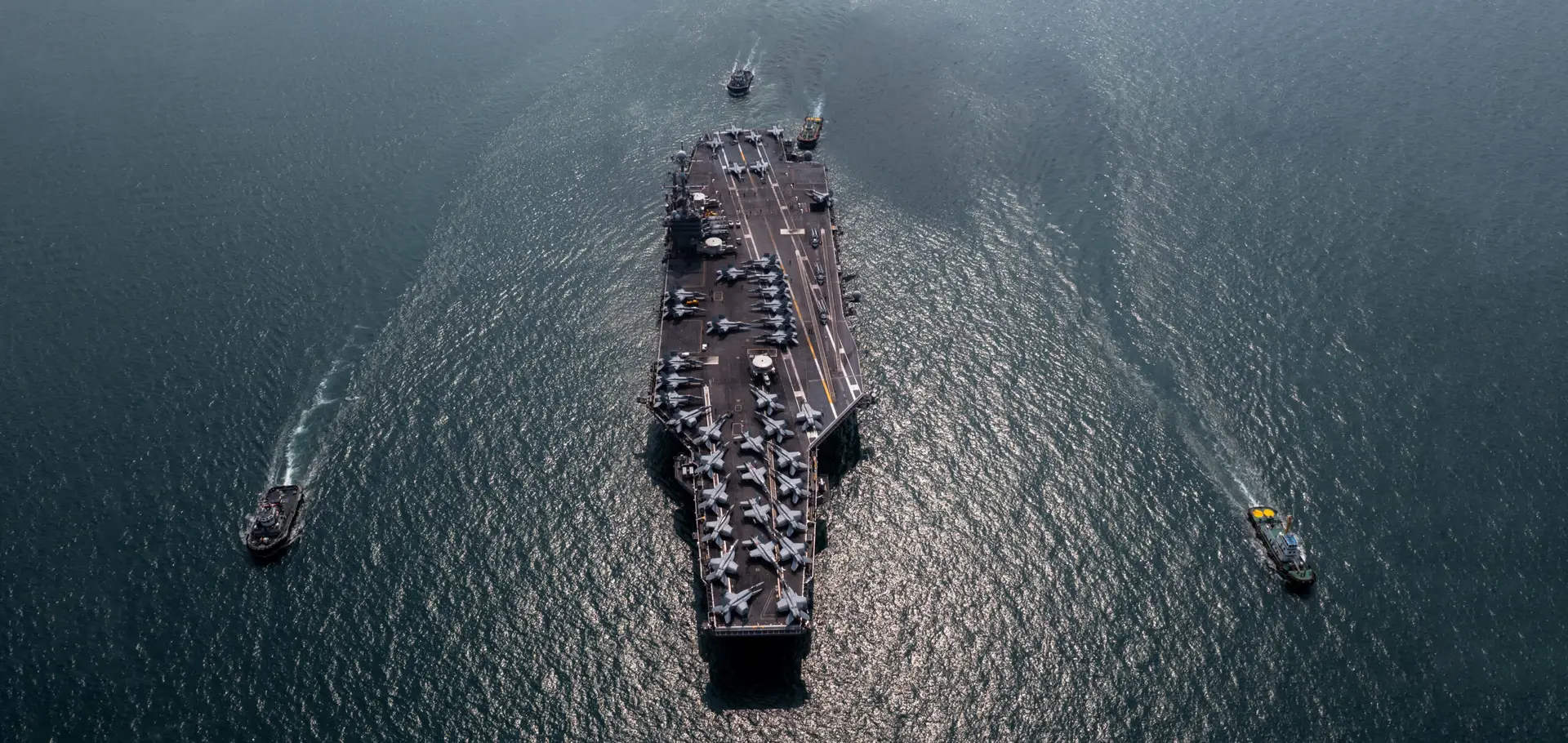
U.S. officials announced plans for a multi-day military full readiness drills as tensions with Iran remain elevated, underscoring the risk of escalation has not fully receded despite the absence of direct strikes last week. Iran conducted air-defenses exercises and patrol flights in the northeast, while regional reporting indicates the UAE, Jordan, and the U.K. could provide logistical and intelligence support to U.S. operations if military action were to occur. Hezbollah has publicly pledged support to Iran, and Houthi messaging has renewed implicit threats to commercial shipping, raising the prospect that any confrontation could quickly broaden beyond bilateral U.S.-Iran dynamics. With U.S. support assets already positioned in the region in a posture consistent with past strike preparations, escalations could unfold rapidly and any kinetic exchange would likely prompt Iranian retaliation against U.S. bases in Qatar, Iraq, and Syria, with significant implications for regional security and mobility.
We advise organizations with staff or operations in the region to review evacuation and duty-of-care plans, particularly for locations near U.S. military facilities and major transport hubs. Business travelers are advised to closely monitor security updates, avoid non-essential travel to high-risk areas, and prepare for sudden airspace closures, flight disruptions, and maritime security incidents affecting regional supply chains.
Storm Fern Disrupts U.S. Travel and Power Across Multiple States:
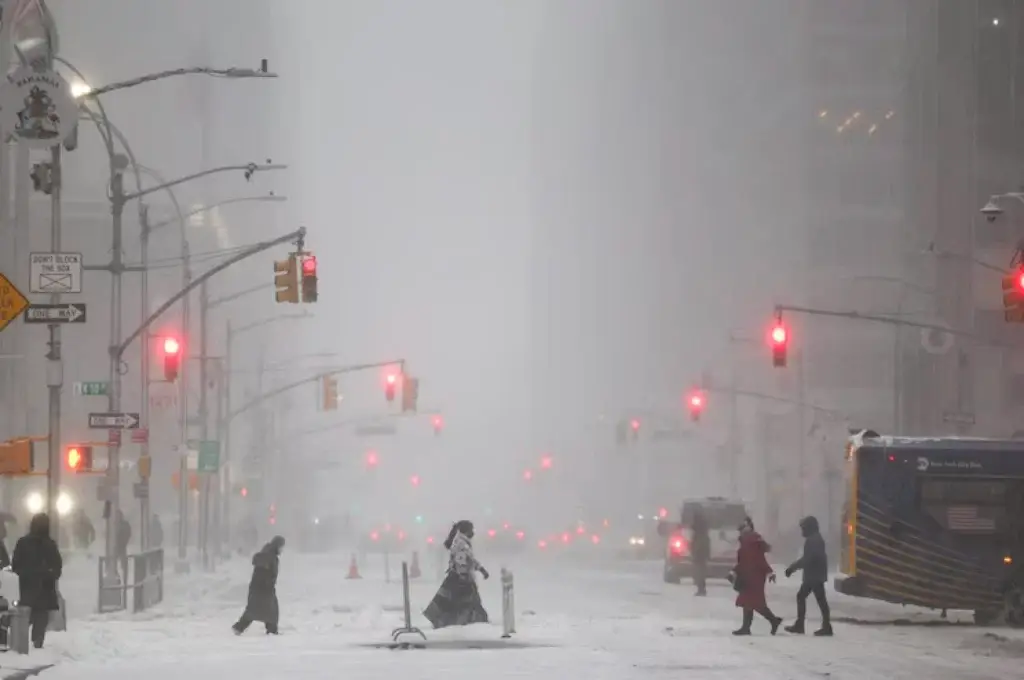
Winter Storm Fern has caused extensive disruption across the central and eastern United States, prompting states of emergency in more than 20 states as heavy snow, ice, and extreme cold moved from the Plains and South into the Northeast. Ice accumulation and strong winds downed power lines, leaving over 800,000 households without electricity, while aviation networks were severely impacted, and more than 11,000 flights were cancelled in a single day. Fatalities linked to suspected hypothermia were reported in parts of Texas and Louisiana, highlighting the risks posed by prolonged outages and dangerously low wind chills. Even as the storm system moves on, lingering ice damage, subfreezing temperatures, and strained infrastructure are likely to drive continued travel delays, road closures, and secondary disruptions for several days.
Companies should anticipate ongoing travel disruptions, particularly in transport hubs, and consider flexible work arrangements and contingency logistics planning. Travelers are advised to delay non-essential travel, monitor airline and local authority updates closely, and prepare for extended delays, power outages, and hazardous ground conditions.