
Brown University Mass Shooting Highlights Persistent Violence Risks:
A mass shooting at Brown University in Providence, Rhode Island on December 13 left two students dead and nine others injured during a review session ahead of final exams, triggering an immediate campus lockdown and a multi-agency law-enforcement response involving local police and federal authorities. Investigators later linked the incident to a suspect who was also connected to the fatal shooting of an Massachusetts Institute of Technology (MIT) professor a day earlier, reinforcing concerns about mobile, lone-actor violence that can cross jurisdictions and evade early detection. The attacks underscores how academic institutions, traditionally viewed as low-risk environments, continue to face exposure to ideologically, personally, or psychologically motivated violence, particularly in open-access settings. The incident has reignited debate over campus security, and the effectiveness of existing threat-assessment frameworks, particularly as such attacks increasingly occur in spaces traditionally regarded as low-risk. It also adds pressure on federal and state governments to demonstrate visible action on public safety at a time of already heightened political polarization and public anxiety around domestic violence.
We advise executives to ensure travel and personal-security planning accounts for the possibility of mass violence and maintain clear emergency communication and response protocols when operating in high-density urban or academic environments.
The Trump Administration Continues to Pressure Venezuela:
Tensions intensified between Washington and Caracas as the Trump administration moved to effectively block oil tankers subject to U.S. sanctions from entering Venezuelan territorial waters and ports, targeting maritime routes used to move crude and refined products linked to sanctions-evasion networks. President Nicolas Maduro responded by placing Venezuelan forces on heightened alert, pledging to defend national sovereignty “at any cost” and deploying naval escorts for oil tankers bound for Asian markets in an effort to sustain exports that remain critical to state revenue. In parallel, Maduro appealed to Colombia’s political and military leadership for regional solidarity, signalling concern over Venezuela’s growing isolation and the economic impact of tighter enforcement. U.S. rhetoric has further raised the stakes, with President Trump publicly declining to rule out military action, reinforcing strategic ambiguity and suggesting the dispute is shifting from primarily economic pressure toward a more overt security confrontation. The combination of naval escorts, sanctions enforcement at sea, and unresolved military signaling increases the risk of miscalculation, insurance withdrawals, port access restrictions, and sudden disruption to regional energy flows, especially for companies to Caribbean and Atlantic shipping lanes tied to Venezuelan crude.
We advise energy firms, traders, supply-chain leaders to reassess exposure to Venezuelan-linked cargoes, review shipping routes and insurance coverage, and prepare contingency plans, interdictions, or further sanctions escalation.
Maersk Cautiously Tests Red Sea Shipping Route:
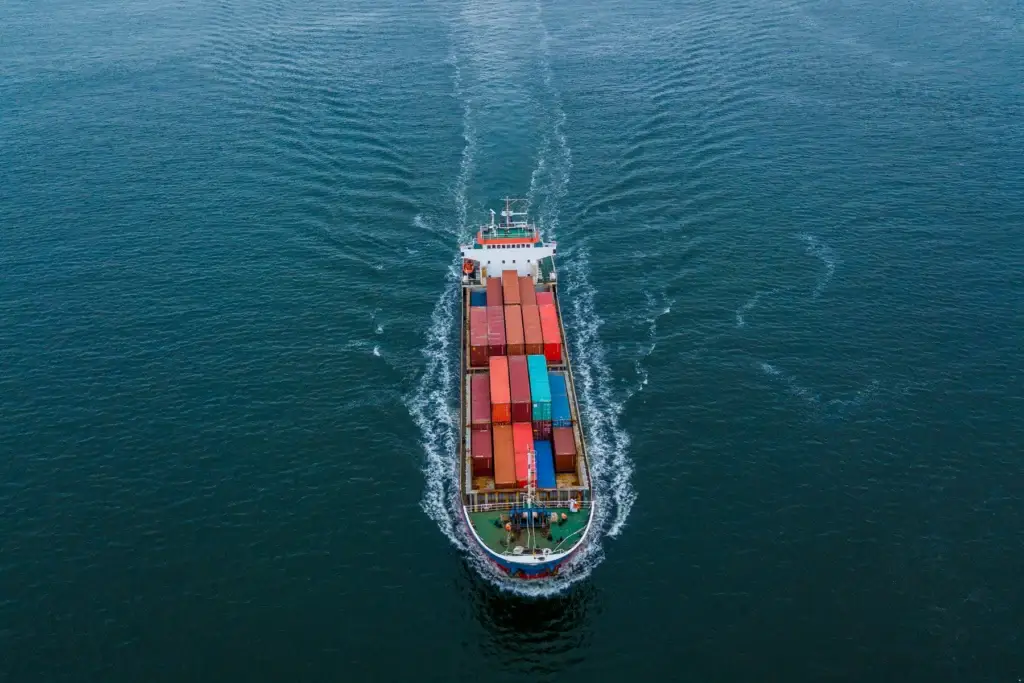
Maersk has cautiously tested a return to the Red Sea and Bab el-Mandeb corridor by sending a single vessel through the route for the first time in nearly two years, reflecting tentative confidence following the Gaza ceasefire but also underscoring how fragile the security environment remains in the region. The company framed the transit as a limited, step-by-step assessment rather than a signal of broader resumption, noting there are still no plans for full return to the Suez Canal, which many carriers abandoned in late 2023 after repeated attacks by the Houthis on shipping vessels, forcing global shipping to reroute around the Cape of Good Hope. While some competitors have also undertaken occasional transits when risk conditions appear manageable, any reopening of the corridor is likely to be slow and reversible, given the unresolved regional tensions and the risk of renewed attacks. Even a partial normalization could, over time, reduce congestion, shorten Asia-Europe transit times, and place downward pressure on freight rates, but the implications for supply chains remain highly uncertain.
We continue to advise shipping companies, logistics providers, and cargo providers to approach any consideration of Red Sea transits with caution, ensuring robust security assessments, insurance coverage, and contingency routing plans are in place before committing vessels or cargo to the region.