
Bondi Beach Terror Attack Highlights the Increasing Threat of Anti-Semitism:
A mass shooting occurred at Bondi Beach in Sydney during Hanukkah celebrations, marking one of the deadliest terror attacks in Australia’s recent history. Two armed assailants opened fire on a crowd, killing at least 16 civilians and injuring more than 40 others before New South Wales police engaged them. Police have declared the incident a terrorist attack with a clear antisemitic motivation, targeting the Jewish community during a significant cultural and religious event. Investigators have recovered multiple legally registered firearms from the attack site and from the suspects’ residence and have also discovered improvised explosive devices that failed to detonate. Israeli officials have publicly suggested the attack may be related to Iranian-backed or inspired activity, citing Iran’s history of targeting Jewish and Israeli-linked interests abroad which could exacerbate tensions in the Middle East, potentially triggering retaliatory action. In addition, the attack represents a pivotal escalation in domestic extremist violence in Australia, with immediate implications for national security and minority protection. This event also underlines the threat profile facing the Jewish community in Australia which has seen an increase in anti-Jewish incidents this year. In the short term, Australian security agencies are expected to elevate threat levels, increase visible protection around Jewish institutions, and expand intelligence efforts to identify similar risks.
We advise business travelers to be aware of increased security measures at public events and exercise caution in crowded areas while monitoring local advisories. Jewish travelers face an elevated risk, underlining the importance of situational awareness, vigilance around community gatherings, and adherence to guidance from local authorities and embassy notices. Given the possibility of heightened tensions linked to Middle East developments, travelers should also anticipate rapid changes to threat levels and security postures.
AI Generated “Proof of Life” Deepfakes Fuel Kidnappings and Extortion Threats:
The FBI has warned of criminal groups increasingly using artificial intelligence (AI) to generate convincing kidnapping and extortion deepfakes, including fabricated “proof of life” videos, showing victims appearing injured, restrained, or pleading for help. These AI-generated materials are being deployed to pressure executives, corporate security teams into making rapid payments, often in cryptocurrency, before verification can occur. The realism and speed of these attacks significantly heighten personal and corporate risk, as they bypass traditional safeguards and exploit emotional responses, executive travel exposure, and publicly available personal data. This trend underscores how AI-enabled social engineering is moving beyond email and phone scams into direct threats against individuals and corporate leaders.
We advise executives and companies to bolster crisis-response and verification protocols for extortion scenarios, limit public exposure of personal information and travel details.
IndiGo’s Mass Cancellation of Flights Leads to Disruptions in India:
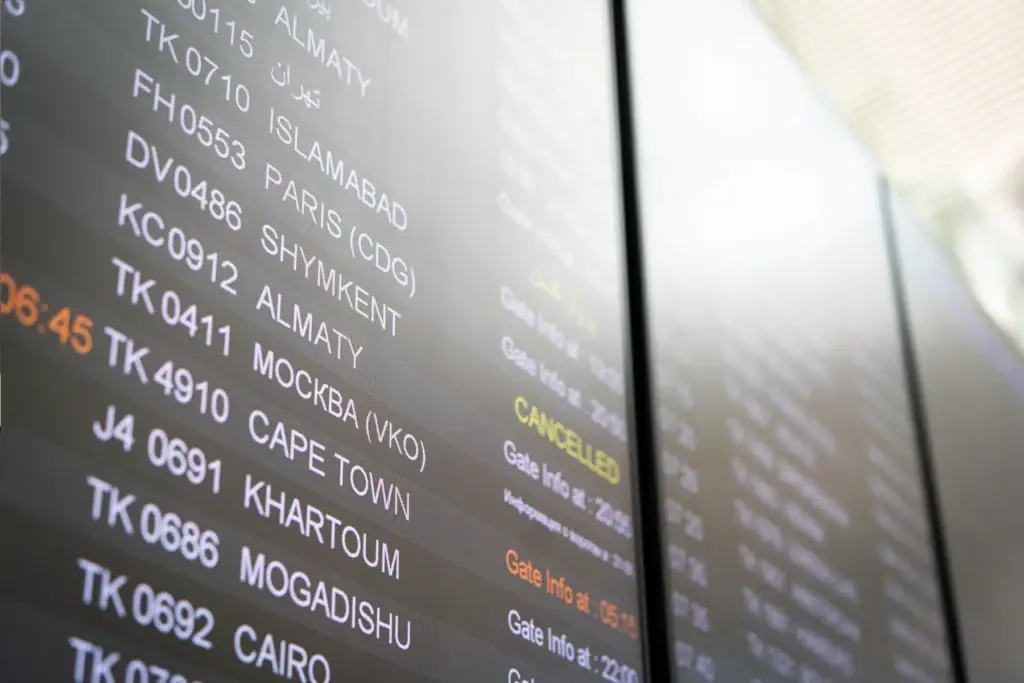
India’s largest airline, IndiGo, has cancelled thousands of flights traveling to and from major hubs such as Delhi, Mumbai, Bengaluru, Chennai and Hyderabad, creating major disruption for passengers and businesses alike. The airline attributes the cancellations to newly enforced pilot rest and duty regulations by the Directorate General of Civil Aviation (DGCA), which impose stricter limits on night flights and mandatory rest periods. In response, the DGCA ordered IndiGo to reduce five percent of its flight procedures. The Ministry of Civil Aviation The Ministry of Civil Aviation expects some stabilization by early 2026.
We recommend executives and corporate travelers to closely monitor flight schedules, allow extra time for connections, and maintain flexible bookings where possible. Additionally, keeping digital copies of important travel documents and maintaining regular communication with travel coordinators can help mitigate operational disruptions.