KEY INSIGHTS
Russia has intensified its missile campaign against Kyiv, with the use of hypersonic-capable systems, signaling a more volatile phase in the Ukraine war marked by heightened coercion, strategic signalling, and growing escalation risks. As concerns rise over potential spillover into the wider European security environment, the conflict increasingly affects regional stability, cyber security, transportation networks, and critical infrastructure beyond the battlefield itself.
ANALYSIS
The Russia-Ukraine conflict has now entered a new and more volatile phase marked by intensified long-range drone and missile strikes, increasingly aggressive rhetoric, and growing concern the conflict could spill beyond Ukraine’s borders. Russia’s recent bombardment of Kyiv, including the use of the hypersonic Oreshnik missile, capable of being armed with a nuclear warhead, represents not only a military escalation but also a strategic signal directed at Ukraine, NATO, and the wider international community. The scale and sophistication of the attacks suggest Moscow is attempting to reassert dominance through coercive escalation as the war settles into a prolonged attritional struggle.
The renewed aerial campaign comes amid increasing Ukrainian strikes on Russian military infrastructure, energy assets, and logistical targets deep within Russian territory. Ukrainian drone and missile operations have demonstrated an expanding capacity to reach strategic sites far from the frontline, placing pressure on the Kremlin and challenging Russia’s image of military control. Moscow has responded by intensifying attacks on Ukrainian cities and critical infrastructure, signaling the Kremlin remains willing to escalate vertically despite the growing economic and military costs of the conflict.
Although deployed with a conventional warhead, the Oreshnik missile possesses hypersonic characteristics and carries strong strategic symbolism due to its potential nuclear capability. The deployment therefore serves a dual purpose where delivering operational impact while reinforcing psychological pressure on both Ukraine and NATO. European officials have interpreted the strike as an example of deliberate escalation and strategic intimidation designed to test Western resolve.
At the diplomatic level, tensions have intensified as Russian Foreign Minister, Sergey Lavrov, warned of future strikes on Kyiv’s “decision-making centers” when speaking to his U.S. counterpart, Secretary of State, Marco Rubio. This combination of military escalation and diplomatic messaging reflects a broader Kremlin strategy: increase pressure on Ukraine and its Western supporters while maintaining limited communication mechanisms to manage escalation thresholds. However, the increasingly confrontational rhetoric and threats toward Kyiv indicate Moscow may believe the current trajectory of the war favors greater coercion rather than compromise.
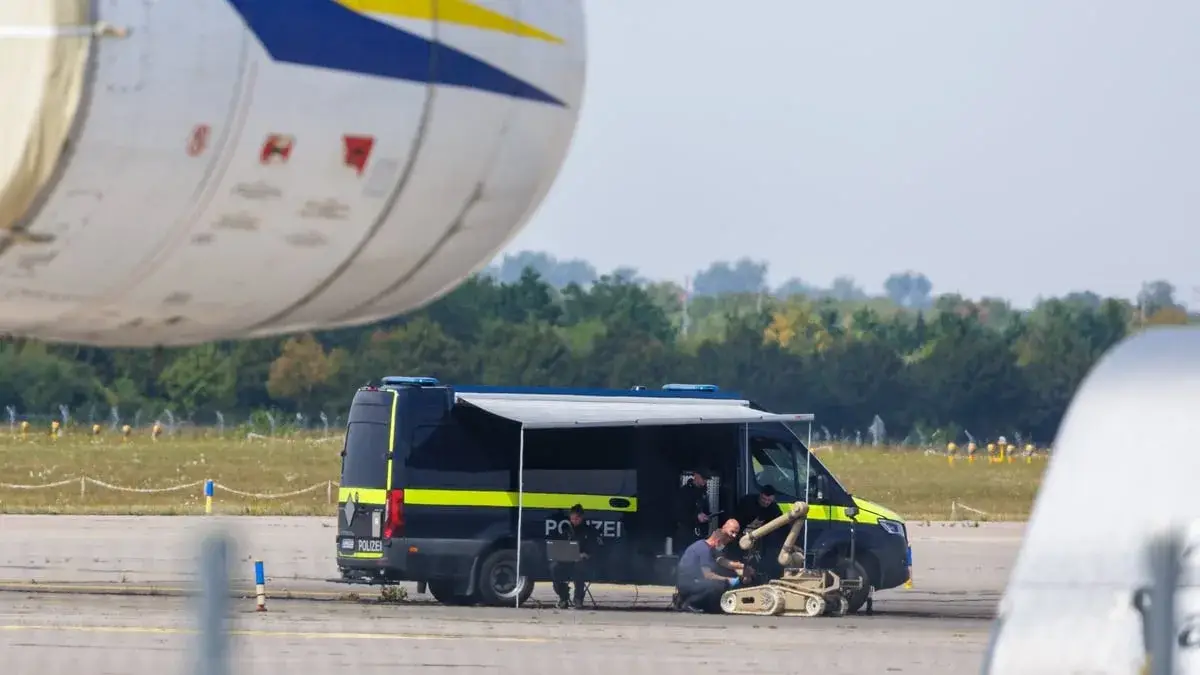
Governments across Europe, particularly in the Baltic and Nordic regions, increasingly fear Russia could expand the conflict through hybrid operations, cyber attacks, airspace violations, sabotage, or limited provocations against NATO territory. On May 29, a Russian drone crashed into residential buildings in Romania, injuring civilians and causing a fire, marking the latest incident in which the conflict has physically affected NATO territory and raising concerns over the potential for inadvertent escalation beyond Ukraine’s borders.
This escalation reflects broader strategic pressures facing the Kremlin as Russia continues to face sustained sanctions, high military expenditure, and increasing strain on manpower and industrial production. At the same time, the Kremlin likely perceives demonstrating resolve and escalation dominance remains essential both domestically and internationally. The use of advanced missile systems, intensified strikes on urban centers, and warnings directed at foreign diplomats all contribute to a strategy designed to project strength, reinforce deterrence, and pressure Ukraine’s Western backers into reconsidering long-term support.
The growing risk of horizontal escalation has heightened concerns regarding European transportation corridors, energy infrastructure, cyber resilience, and regional political stability. Airspace disruptions, cyber attacks, sabotage activity, and disruptions to Black Sea and Baltic logistics networks remain credible risks as the conflict intensifies.
Businesses, humanitarian organizations, NGOs, medical providers, and crisis-response teams operating in Ukraine and neighboring states may face increasingly challenging operating environments, including access constraints, security threats to personnel, communication disruptions, and heightened demand for emergency assistance. Medical-risk insurers and assistance providers are likely to encounter greater operational pressures as evacuations, casualty management, and emergency medical support become more complex amid deteriorating security conditions.
OUTLOOK AND RECOMMENDATIONS
Concentric assesses escalation risks in the Russia–Ukraine war will elevate throughout 2026. Russia’s intensified missile and drone campaign, combined with increasingly aggressive rhetoric toward Kyiv and NATO, suggests Moscow is prepared to sustain and potentially expand coercive pressure despite mounting battlefield and economic challenges. Although neither Russia nor NATO appears to seek direct confrontation, the combination of intensified military activity, strategic signalling, and hybrid operations significantly increases the risk of miscalculation.
The continued use of advanced missile systems and threats directed toward Ukrainian leadership and foreign personnel indicate Russia may increasingly rely on escalation tactics to maintain strategic leverage. At the same time, Ukrainian long-range strikes against Russian infrastructure are likely to continue, reinforcing a cycle of retaliation that raises the probability of spillover effects across Europe. Hybrid threats, including cyber attacks, sabotage operations, disinformation campaigns, and disruptions near NATO borders, will likely remain a persistent concern for European governments and businesses.
We advise businesses, humanitarian organizations, NGOs, medical-assistance providers, insurers, and foreign travelers operating in Ukraine and across Europe to consider the following risk-mitigation measures:
- Maintain enhanced situational awareness: Monitor military developments, missile and drone activity, cyber incidents, airspace restrictions, and cross-border security developments.
- Review contingency, relocation, and evacuation plans: Ensure personnel have access to updated evacuation procedures, alternative travel routes, emergency accommodation options, and redundant communication systems.
- Assess supply-chain and operational dependencies: Companies reliant on Eastern European, Black Sea, or Baltic transportation corridors should identify critical vulnerabilities and diversify suppliers where feasible.
- Enhance duty-of-care measures for personnel: Ensure staff have access to security briefings, emergency contact procedures, medical support arrangements, and clear guidance regarding travel to higher-risk areas.
- Prepare for increased humanitarian and medical demands: NGOs and humanitarian agencies should anticipate potential surges in displacement and casualty care requirements.
- Coordinate closely with embassies, insurers, and local authorities: Maintain regular contact with diplomatic missions, security partners, and medical-risk providers.
Authored by: Daniel Ratna