KEY INSIGHTS
The 2026 Winter Olympics in Milano-Cortina will be heavily secured but operationally complex. The primary corporate risk does not stem from a single catastrophic incident, but rather cascading disruptions driven by transport congestion, protest-related disruption, opportunistic crime, and cyber-enabled fraud. The Olympics’ dispersed footprint materially increases exposure during movement, placing journey discipline and traveler protection at the center of corporate resilience.
KEY RISKS
The Milano-Cortina Winter Olympics will take place from February 6 to February 22, 2026, spread across multiple northern Italian venues with organizers estimating approximately two million spectators. Transport disruptions are likely and the U.S. Embassy in Italy has warned of sustained crowding and transport strain throughout the Games. Protest activity linked to the Games remains credible and likely prioritizes disruption over visibility. Theft and fraud present the highest-probability criminal threat to travelers, particularly executives. The terrorism risk remains a low probability but high consequence.
ANALYSIS
Unlike previous Winter Games anchored to a single host city, Milano-Cortina 2026 disperses events across urban and alpine venues. This structure requires planners to manage multiple transit and security nodes rather than one controlled perimeter. Such geographic spread multiplies venues, transport stations, checkpoints, and access roads. Each location requires extensive policing and hosts differing baseline emergency response capacities.
For corporate security teams, this environment risk shifts away from static site protection toward continuous mobility exposure. Cyber risks are likely to impact the event or attendees. Prior to the opening ceremony of the 2018 Winter Olympics, organizers had to take the official website offline after being hit by a cyber attack. Phishing campaigns, spoofed event applications, fraudulent ticket platforms, and vendor system compromises remain realistic threats.
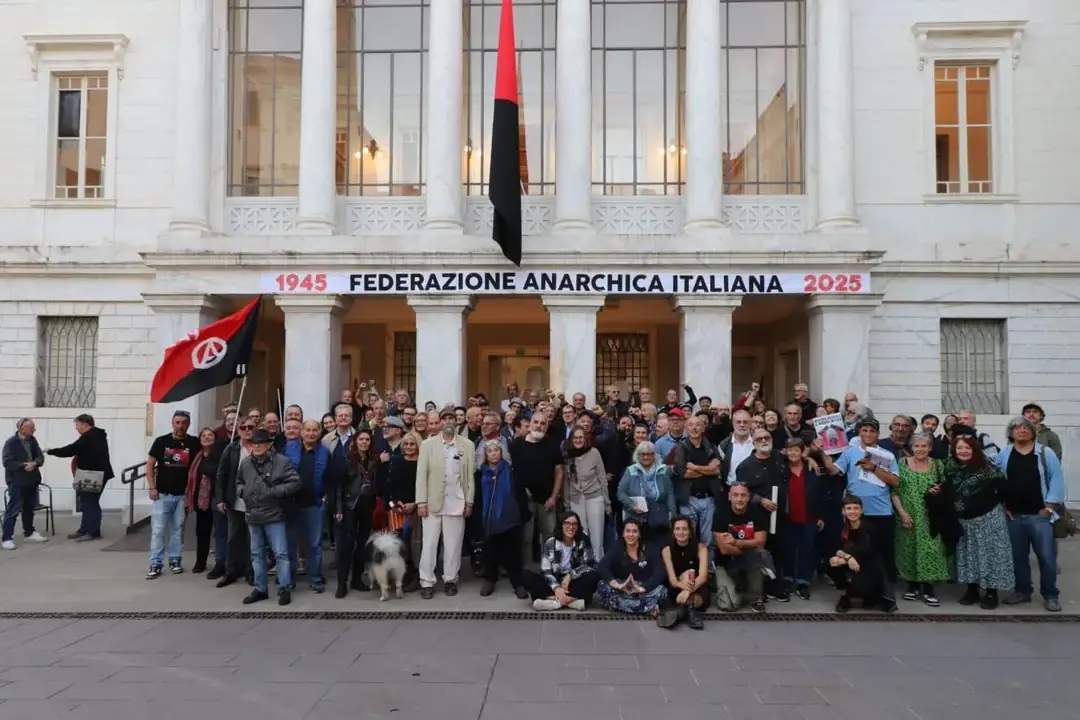
Olympic-linked protest activity remains plausible and disruptive, rather than violent. Northern Italy has experienced opposition to the Games amidst wider environmental and socio-economic grievances. Activist groups are likely to favour infrastructure-focused tactics, including blockades, sit-ins, and tactical interference. Across criminal categories, theft stands out as the most probable risk for travelers. Milan is recognized as Italy’s “least safe” city. Italy’s baseline terrorism threat remains low. However, the Olympics retains symbolic value due to visibility and crowd density.
RECOMMENDATIONS
- Adopt low-profile executive movement: Reduce visible indicators of wealth across public spaces and transport environments to lower theft risk.
- Pre-arrange transportation: Use vetted logistics providers and pre-booked services to limit time-sensitive decision-making at transit nodes.
- Harden digital and identity assets: Enforce device encryption, remote-wipe capability, and strict avoidance of public Wi-Fi, QR codes, and unsolicited links.
- Plan for mobility disruption: Pre-authorize flexible spend for rerouting and plan designated fallback locations near major transit hubs.
- Track travelers by movement leg: Require check-ins to preserve situational awareness across the distributed operating environment.
- Front-load documentation: Verify passports and visas early and plan for constrained consular capacity during the Games.
Authored by: Oliver Maund