
U.S. Seizes Iranian Flagged Cargo Ship as Tensions Continue:
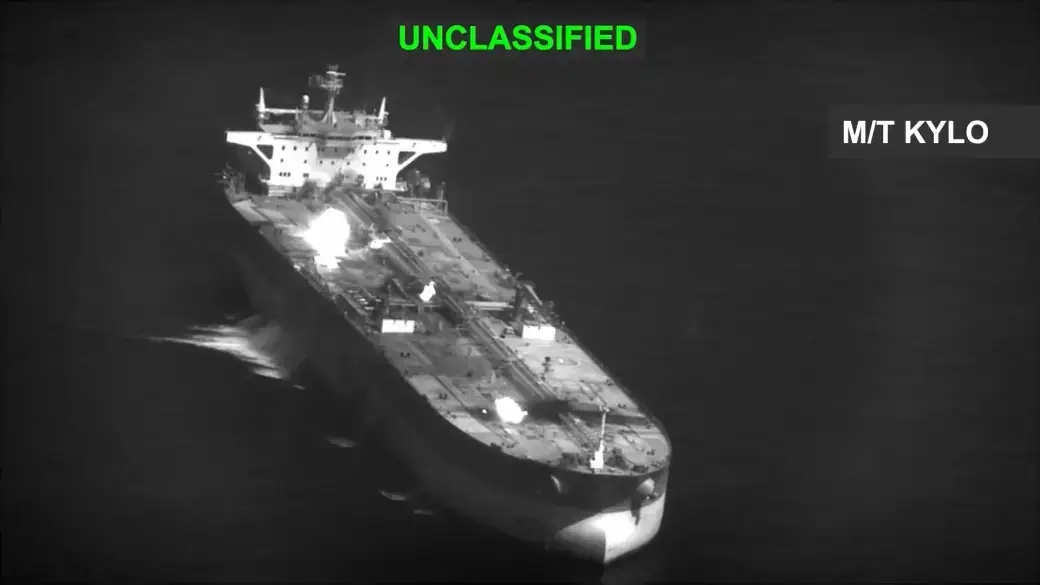
The conflict between the United States and Iran has continued to intensify, marked by rapidly shifting developments across both diplomatic and maritime domains. Tensions have remained elevated in the Strait of Hormuz, where Iran briefly signaled a partial reopening of the waterway to commercial shipping during a short de-escalation phase, allowing limited vessel movement to resume. However, this was quickly reversed, with Iranian authorities reasserting control over the Strait amid continued U.S. naval pressure and enforcement activity, restoring uncertainty across one of the world’s most critical energy chokepoints. The most significant escalation was the U.S. seizure of an Iranian-flagged cargo vessel near the Strait of Hormuz after it allegedly attempted to breach the ongoing naval blockade. The operation involved U.S. naval forces disabling the ship following repeated warnings, before boarding and taking control of the vessel. Iran condemned the incident as “piracy” and accused Washington of violating the fragile ceasefire framework, further heightening tensions in the Gulf. Diplomatically, Iran has sent mixed signals on whether to participate in talks with the U.S. in Islamabad after the seizure of the Iranian-flagged vessel. However, Vice President, JD Vance is preparing to travel to Islamabad for renewed talks.
We advise business travelers and executives in the Gulf region to assume volatility as the situation can immediately escalate. Companies should review supply chain exposure to Gulf energy and logistics corridors, and prepare for rapid cost and routing changes driven by security developments. Travel to affected regional states should also be kept under close review.
Deadly Mass Shooting in Louisiana Highlights Ongoing Gaps in U.S. Firearms Enforcement:
A man identified as Shamar Elkins killed eight children and seriously wounded two women in Shreveport, Louisiana, before being shot and killed by police following a pursuit. Authorities confirmed Elkins acted alone and that the attack was domestic in nature, linked to a separation from his wife. The victims included seven of his own children and one relative, with the violence unfolding across two separate homes before the suspect fled the scene in a carjacked vehicle. Police stated Elkins had a prior firearms conviction that legally prohibited him from possessing a weapon, raising immediate questions about enforcement gaps in existing gun control measures. The incident is being treated as one of the deadliest mass shootings in the United States in over two years, with investigations focused on how the suspect was able to access a firearm despite restrictions. While the attack is not expected to drive political unrest, it is, however, likely to intensify domestic debate around firearms enforcement, background check effectiveness, and crisis intervention systems in the U.S. Such incidents contribute to a persistent personal security risk, particularly in unpredictable, domestic-violence-driven scenarios that are difficult to anticipate or prevent.
We advise travelers in the U.S. to maintain awareness of personal security risks and ensure employees have access to basic safety guidance.
Series of Attacks on Jewish Sites in London Raises Concern Over Coordinated Threat:
Police and fire crews responded to an attempted arson attack at the Kenton United Synagogue in north-west London, where an accelerant-filled container was thrown into the building, causing minor damage but no injuries. Two suspects have been arrested in connection with the incident as investigations continue. Authorities have also linked this attack to a series of similar incidents targeting Jewish community sites across London in recent days, including synagogues and associated buildings. The attacks within a short timeframe raises concerns about a sustained threat against Jewish communities in the capital. The repeated targeting of religious sites has increased security alerts, with enhanced police presence and protective measures being deployed around places of worship. Officials have warned that the pattern increases the likelihood of further incidents in the near term and may contribute to heightened community anxiety and broader social tension if not quickly contained. This series of incidents points out an elevated and evolving threat environment for faith-based institutions in major Western cities, particularly where symbolic or community-linked targets are repeatedly attacked. It also reinforces the risk of copycat or coordinated activity, which can rapidly escalate security requirements and place additional pressure on public protection resources.
We advise those of Jewish descent to remain alert to potential attacks as the rise in anti-semitism continues to escalate. Heightened awareness should be maintained in public spaces, especially around synagogues, community centers, and areas known for religious gatherings.