KEY INSIGHTS
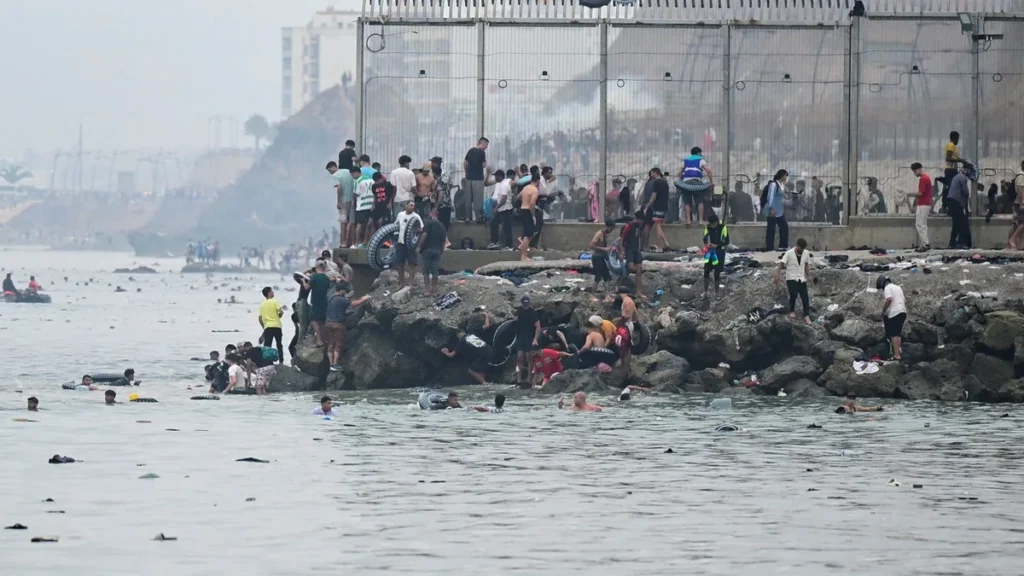
Morocco has repeatedly shown it can use irregular migration as leverage against Spain and the European Union (EU). This pattern culminated on July 30, when more than 70,000 people breached the frontier of the Spanish enclave of Ceuta in a matter of days, and at least 88 died. Spanish Civil Guard forces reported Moroccan gendarmes had abandoned their posts as the surge began, fuelling suspicion the flow could not have occurred without Moroccan acquiescence. Belarus deployed similar coercive actions against Poland, Lithuania, and Latvia in 2021, and both cases fit the concept of coercive engineered migration. Concentric assesses state-directed migration is now a recurring geopolitical risk on the Western Mediterranean and the EU’s eastern flank, capable of triggering sudden border militarization, member-state border-control reimpositions, and supply-chain disruption with little warning.
KEY EVENTS
- July 30, 2026: A mass influx into Ceuta began, Spanish Civil Guard forces reported Moroccan gendarmes abandoned their posts. At least 88 people died, and Prime Minister Pedro Sánchez described the event as an attack on Spain’s territorial integrity.
- June 24, 2022: At least 23 people died attempting to breach the fence at Melilla, the deadliest single incident at an EU land border.
- June 2026: The Spanish interior ministry’s Office for Refugees and Asylum warned the growing number of migrants swimming to Ceuta could soon overwhelm the exclave, a warning Madrid was later accused of ignoring.
- May 2021: Morocco relaxed border controls and approximately 8,000 to 10,000 migrants crossed into Ceuta over 48 hours after Spain admitted Polisario Front leader Brahim Ghali for medical treatment, prompting a year-long diplomatic rupture.
ANALYSIS
On July 30, Spanish authorities recorded a mass influx into the North Africa Spanish exclave Ceuta. Interior Minister Fernando Grande-Marlaska reported approximately 72,000 migrants breached the border, of which 70,000 had been returned to Morocco. At least 88 people died, predominantly by drowning. President Pedro Sánchez condemned the events as an attack and a violation of Spain’s territorial integrity, but attributed the operation to human-traffickers rather than to the Moroccan state, describing Morocco as an ally and thanking Rabat for its help in repatriation. Moroccan Interior Ministry spokesperson Rachid El Khalfi blamed social-media posts creating the illusion of easy access to Europe, and insisted the Kingdom remained a reliable and responsible partner against irregular migration.
Although Sánchez avoided naming Rabat, the diplomatic subtext was widely understood. Reporting centred on whether Morocco was signalling displeasure at Spain’s recent rapprochement with Algeria, which supports self-determination in Western Sahara, a territory Morocco claims and over which Madrid endorsed Rabat’s autonomy plan in 2022. The reported withdrawal of Moroccan gendarmes from their posts reinforced the perception of state involvement.
- A left-wing Más Madrid lawmaker stated Morocco was using human beings to attack Spanish sovereignty. Ceuta’s conservative People’s Party mayor argued the events were encouraged or permitted by Moroccan authorities and Morocco had shown itself to be unreliable.
- Opposition leader Alberto Núñez Feijóo demanded clarification of what had failed in cooperation with Morocco.
- Interior Minister Fernando Grande-Marlaska claimed the National Intelligence Center failed to warn Madrid. Yet the ministry’s own Office for Refugees and Asylum flagged in July a mass influx could overwhelm Ceuta.
The incident strained Spanish-Israeli relations. Spain’s relations with Israel deteriorated following Madrid’s May 2024 recognition of the State of Palestine, its arms embargo, and restrictions on Israeli-linked shipping and aircraft.
- Israel’s ambassador to the United Nations, Danny Danon, falsely claimed Madrid declared a state of emergency in Ceuta and questioned why Spain retained “colonial enclaves.”
- Israel’s National Security Minister Itamar Ben Gvir sarcastically urged Sánchez to open Spain’s doors to Gazans, prompting Spanish Transport Minister Óscar Puente to imply Israeli involvement.
The framing referenced prior Israeli incidents. A 2019 post by Prime Minister Netanyahu’s son Yair displaying a map of Ceuta and Melilla and inviting Arabs and Muslims to “free” the enclaves, and 2026 articles by pro-Israel analysts urging Morocco to press its claims on Western Sahara with Washington and Tel Aviv positioned to back Rabat.
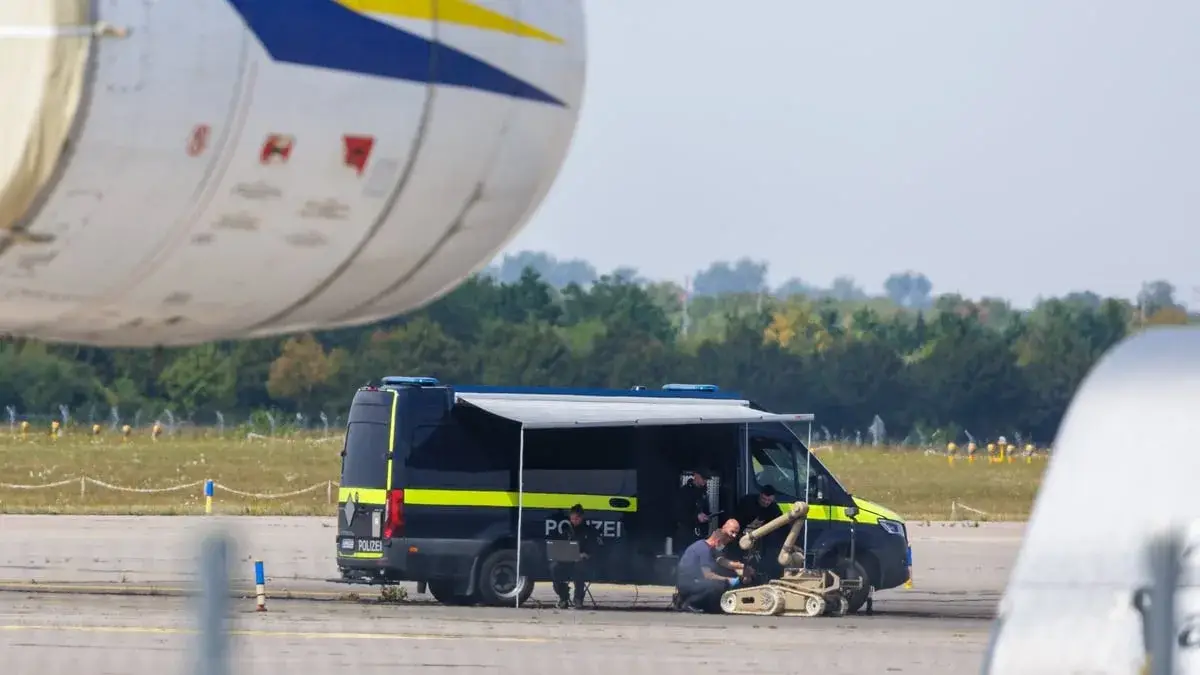
A parallel exists with Belarus, which weaponized migration. Following the disputed 2020 presidential election and the 2021 forced landing of a Ryanair flight to arrest a dissident journalist, the EU imposed comprehensive sanctions on the Lukashenko regime. In retaliation, Belarusian leader Alexander Lukashenko issued simplified tourist visas and channeled Iraqi, Syrian, Afghan, and other nationals to the EU’s eastern border with Poland, Lithuania, and Latvia from the summer of 2021. Poland declared a state of emergency, deployed more than 10,000 troops, and constructed border barriers. At least a dozen migrants died of exposure in the border forests. Lukashenko created an artificial humanitarian crisis, deliberately directed at Poland and its neighbors to extract political concessions.
OUTLOOK
Concentric assesses Morocco will retain leverage over the migration route to Spain. Morocco will almost certainly deploy state-directed migration as a coercive instrument on both the Western Mediterranean and the EU’s eastern flank. Morocco anchors the EU’s only land border with Africa and the Atlantic Canary Islands route. Economic relations with Spain are improving, driven by deepening energy ties. However, ties remain transactional and reversible, contingent on continued Spanish support for Morocco’s Western Sahara autonomy planRepeated surges at Ceuta or Melilla are likely, particularly during moments of diplomatic friction, such as Spanish overtures to Algeria or EU Western Sahara recognition
For organizations operating in Europe, Concentric advises the following measures:
Establish early-warning monitoring: Track Spain-Morocco diplomatic flashpoints, including Western Sahara developments, Spanish overtures to Algeria, and fishing and customs disputes, which historically preceded border surges at Ceuta and Melilla.
Plan for sudden border and transit disruption: Prepare contingency routing across the Strait of Gibraltar, anticipating enclave border closures, military deployments, and Spanish and neighboring member-state reimpositions of internal Schengen checks.
Review supply-chain and sector exposure: Identify reliance on cross-border trade, ferry, and port chokepoints in the Western Mediterranean, particularly the Ceuta and Melilla and build in redundancy where feasible.