KEY INSIGHTS
Election periods continue to be a source of unrest across Africa and the globe. The report profiles 16 national elections in the year ahead. In assessing the risk profile six elections are identified as high or extreme risk, with a further five displaying moderate risk characteristics. With eleven successful coups across Africa in the last five years and multiple violent electoral breakdowns, Africa’s elections are set to be key geopolitical events to watch in the 2026 calendar.
ANALYSIS
The below intelligence snapshots detail the risk profile for each planned upcoming election, utilizing Concentric’s five-point risk methodology. The report is ordered by risk level, date, and alphabet.
South Sudan — Presidential and Parliamentary (December 22) — EXTREME: National elections will severely test a fragile peace settlement in a context of widespread armed groups and displacement. Military Challenge: Fragmented security structures and incomplete reforms mean a return to large-scale fighting remains a credible outcome. Violence: There is a high likelihood of serious clashes between rival forces and disruption of polling in contested areas.
Benin — Parliamentary (January 11) — HIGH: The election period will likely be volatile following the attempted coup on December 7, 2025. Complicating factors include ongoing jihadist violence in the country’s north and disputed polls from 2019 to 2021.
Uganda — Presidential and Parliamentary (January 15) — HIGH: The election period will facilitate an extended period of tension and security-driven actions, held under long-term incumbency and a constrained political space.
Benin (2) — Presidential (April 12) — HIGH: The presidential contest is likely to be contentious following the failed coup in December 2025 and the planned stepping down of President Talon.
Ethiopia — Parliamentary (June 1) — HIGH: It is likely insecurity in several regions will shape and in some areas disrupt the election environment.
Libya — Presidential and Parliamentary (2026 TBD) — HIGH: If held as planned, elections will take place amid rival authorities, powerful militias, and unresolved constitutional disputes. An electoral delay is likely.
Gambia — Presidential (December 5) — MODERATE-HIGH: Political tensions will increase around the election period in a consolidating democracy with a recent coup plot and unresolved reform agenda.
Somaliland — Parliamentary (May TBD) — MODERATE: Long-running delays, term extensions, and a sovereignty dispute with Somalia will create a sensitive environment around the 2026 polls.
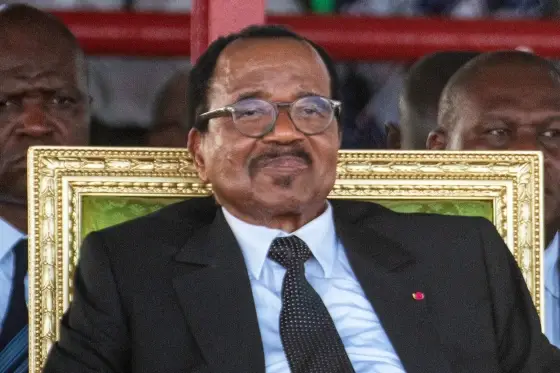
Cameroon — Parliamentary (2026 TBD) — MODERATE: The election is likely to be shaped by intertwined challenges including legitimacy concerns and the unresolved Anglophone conflict.
Algeria — Parliamentary (2026 TBD) — LOW-MODERATE: The election will be held in a relatively closed political system. A strong state security presence will ensure stability but civilian abuses are likely.
Morocco — Parliamentary (2026 TBD) — LOW-MODERATE: The election will be held in a relatively closed political system with similar dynamics to Algeria.
Additional elections at LOW or MINIMAL risk include Republic of Congo (March TBD), Djibouti (April TBD), São Tomé and Príncipe (July TBD), Zambia (August 13), and Cape Verde (TBD).
Authored by: Oliver Maund